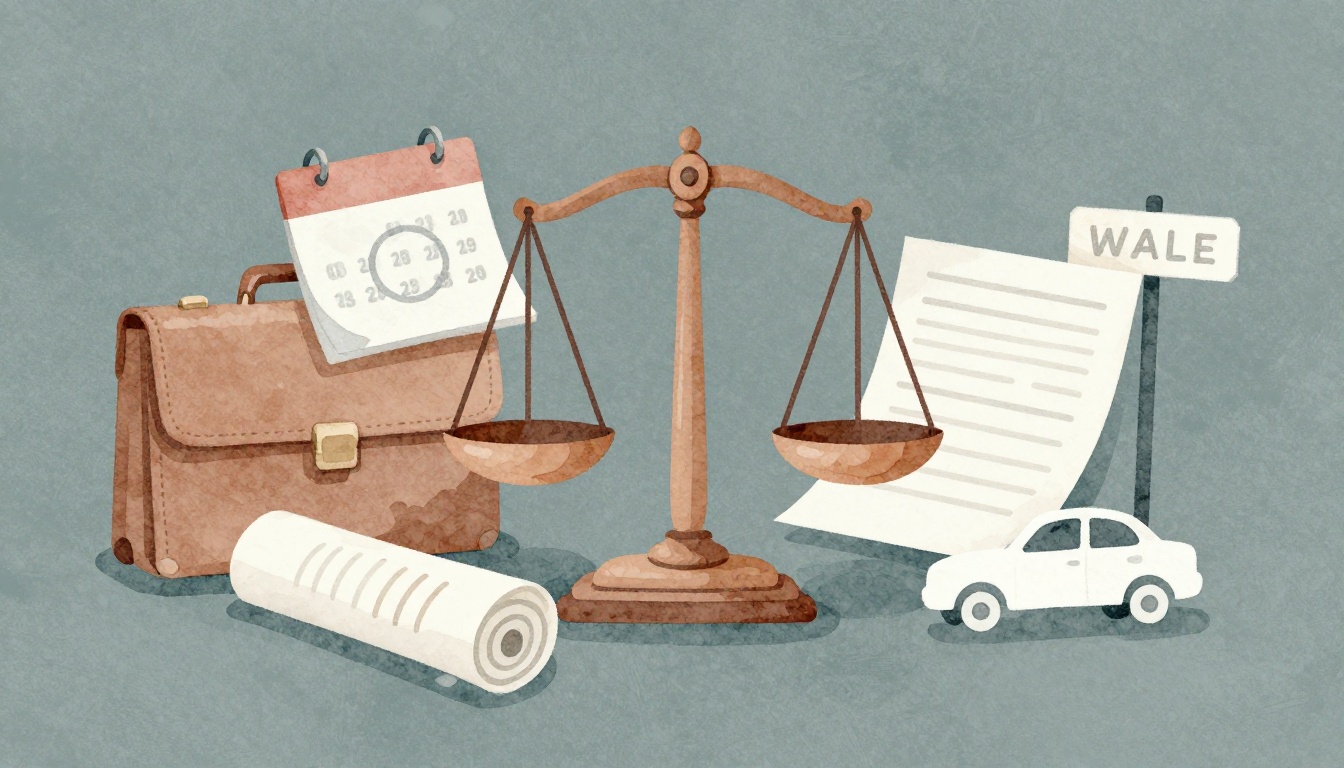
Getting a jury summons can feel like a surprise bill from the universe. Then you wonder what happens if you ignore it, or how much time you’re really supposed to give.
If you’ve ever faced a tax notice, a work issue, a contract you signed too fast, or a ticket after you thought you were fine, you already know the stress that comes with uncertainty. Legal responsibilities under the law are what keep life steady, even when rules feel annoying.
This guide breaks down the big areas most people run into in everyday life. You’ll see what your civic duties look like, how tax responsibilities 2026 work, what employment responsibilities under law mean in a real job, and how to handle consumer laws responsibilities and driving laws obligations without falling into trouble.
By the end, you’ll have a simple mental checklist for staying compliant in 2026. And more importantly, you’ll know what to do before problems turn into court dates, penalties, or lost pay.
What Civic Duties Come with Living in the US?
Civic responsibilities are like the guardrails on a road. You might not notice them until you swerve. In the US, many rules show up through courts, voting, and day-to-day behavior.
The most common “wait, do I have to?” moment is jury duty responsibilities. In most states, if you get a summons, you’re expected to respond. Courts can treat non-response as a serious issue, even if you think it won’t matter. If you want a sense of how courts handle refusal, see consequences of refusing jury duty.
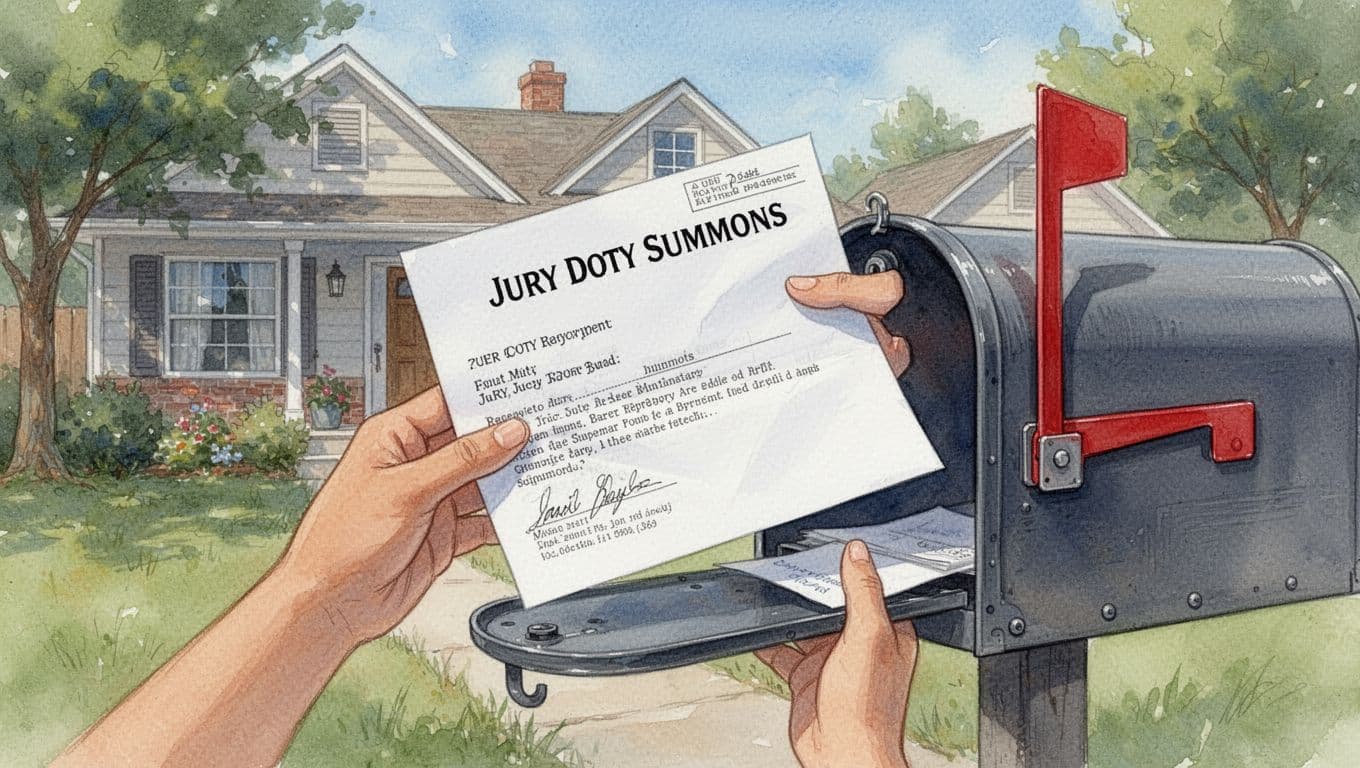
Serving on a Jury: Why You Can’t Just Skip It
If you get a summons, the letter usually tells you the date, reporting steps, and how to request an excuse. Read it fully. Then follow the instructions by the deadline they give.
“Skipping” often means you do not show up, or you ignore follow-up contact. Either way, the court may start an absence process. Exact penalties vary by state and court, but the risk is real: you can end up with fines, a new court order, or worse consequences depending on the circumstances.
Common reasons you can sometimes be excused include age limits, language limits, certain health needs, or prior service. Many states also allow you to request a deferral (a later date) instead of an outright excuse. If you have a conflict, be honest and act fast. Courts usually prefer a quick written request instead of a no-show.
Also think about your job. Your employer generally must allow you time to serve. They can’t treat it like you “chose a vacation.” Some states require pay from employers for part or all of the service, while others do not. If money is the worry, ask your employer early and check what your state requires.
Here’s a practical way to handle it. Put the summons in your calendar immediately. Next, gather any documentation you’ll need (work schedule, medical notes, proof of eligibility for an excuse). Finally, contact the court using the method listed on the summons. That last part matters, because courts often reject “emails to the wrong place.”
Voting and Other Basic Legal Obediences
Voting is a civic duty in many ways, but the legal requirement to vote depends on where you live. In most places, you choose whether to vote, but you still have responsibilities around registration and eligibility.
Even if voting feels optional, other legal rules are not. Basic legal obedience means you follow criminal laws (no theft, no violence), you avoid serious reckless acts, and you follow court orders if you receive them.
Think of this like sharing a backyard with neighbors. You don’t need to “like” the rules, but you do need to follow them. The payoff is bigger than avoiding punishment. When people obey laws, communities become safer and services work better.
If you’re not sure whether a civic duty is mandatory in your state, the safest move is simple. Check your summons details, then search your state’s election or jury website. State rules can differ, and the consequences follow local law.
Filing Taxes Right: Your 2026 Obligations Explained
Taxes can feel like a yearly maze. Still, the core responsibilities are straightforward: report your income, file by the deadline, and pay what you owe.
For most people, the federal income tax filing deadline for tax year 2025 (filed in 2026) is April 15, 2026. If you need more time, you can file an extension until October 15, 2026. But an extension usually does not extend the time to pay. If you owe money, pay by April 15 or you can face extra fees.

What “tax responsibilities 2026” means in real life
Most people’s biggest mistake is missing income. Your employer reports wages on forms like W-2. If you receive tips, freelance income, or other payments, you may get additional tax forms too. Even if you feel like you earned it “in small amounts,” you still have to include it.
If you work in jobs with tips or overtime, 2026 guidance matters. The IRS has guidance for people who received tips or overtime during tax year 2025, including how to claim certain treatment correctly. You can review IRS guidance for tips or overtime.
Penalties usually show up when you miss deadlines or do not pay. Generally, the IRS can charge a failure-to-file penalty if you do not file, plus a failure-to-pay penalty if you do not pay what you owe. Interest can also apply. In severe cases, tax issues can lead to serious legal outcomes, including criminal trouble, but most problems start with avoidable paperwork errors.
So, what should you do to stay compliant?
- Gather documents early: W-2s, 1099s, bank interest statements, and any tip records you kept.
- File on time or use an extension wisely: If you need time, file an extension, but still plan to pay by April 15.
- Include every income source: If you’re unsure, check the form instructions or ask a tax pro.
- Keep proof: Save confirmation pages, mailing receipts, and supporting worksheets.
Also remember state taxes. Federal deadlines matter, but many states have their own rules and dates. Some states follow the federal deadline, but others do not. If you move during the year, your state filing status can change too.
The bottom line is this: tax law is about deadlines plus accuracy. When you handle both, you usually avoid the worst surprises.
Your Role at Work: Employment Rules You Need to Follow
Work law is where “responsibility” feels most personal. It’s not just about what employers must do. It also includes what you must do and what you can demand.
In most jobs, you need to:
- follow workplace rules and schedules,
- report hazards and unsafe conditions,
- avoid discrimination and harassment,
- follow safety steps your employer trains you on.
Your employer also has duties. They must keep workplaces reasonably safe and follow labor laws that protect workers. For safety and policy issues, OSHA rules often come up. Many employers train workers on reporting hazards, using protective gear, and following emergency procedures.
Staying Safe and Following Workplace Policies
A helpful way to think about workplace law is this: safety rules are not “extra.” They’re part of doing the job.
For example, if your workplace uses equipment that can injure people, you usually must follow the training. If you see a broken guard, exposed wiring, or a chemical leak, you should report it through the process your employer requires. If you do not, you can end up in trouble if someone gets hurt later.
Discrimination and harassment rules also apply to you, even if you never filed a formal complaint. The law generally bans protected class discrimination and limits retaliation. If you work in a shared environment, your choices matter, including how you speak to coworkers and how you respond to unfair behavior.
Sometimes you’ll also see rules about recording safety events. In some workplaces, employers may use devices to track incidents or improve safety. Laws vary on privacy and monitoring. When in doubt, follow your workplace policy and ask HR how recordings are handled. It’s better to be curious than to guess.
In short, do the basics right: show up, work safely, follow policies, and speak up when something seems wrong.
New 6 2026 State Rules for Workers
State rules change often. Sometimes it’s a new right. Other times it’s a new way employers must do something. Here are a few 2026-related items that show how varied rules can be across states.
| State | Example 2026 employment rule | What it means for workers |
|---|---|---|
| California | Ban on most “stay-or-pay” clauses in new job contracts (effective Jan. 1, 2026) | Employers generally can’t make you repay certain job-related costs if you leave, with limited exceptions. |
| New York | Expanded workplace first aid requirements to include opioid antagonists where first aid supplies are required | Some workplaces must have opioid antagonist supplies as part of required first aid. |
| Indiana | No specific 2026 change covered in the available sources | Check your state labor updates for the newest rules that apply to your role. |
| Delaware | No specific 2026 change covered in the available sources | Confirm any 2026 updates through your state resources or a trusted legal source. |
If you want broader context, a law firm roundup can help you spot what changed and where. For example, see 2026 key employment law changes in New York, Illinois and California.
The practical take: do not rely on “what people say online.” Confirm with your state agency, your employer handbook, and, if needed, a qualified attorney.
Smart Shopping and Driving: Consumer and Contract Basics
Consumer law and contract law are where everyday mistakes get expensive. You buy something, sign something, or drive somewhere. Then a disagreement shows up. That’s when legal responsibilities kick in.
For shopping, the rules often focus on honesty and fairness. For driving, the rules focus on public safety. For contracts, the rules focus on what you agreed to.
Honoring Contracts and Avoiding Debt Traps
A contract is not “just paperwork.” It’s a promise with legal meaning. That includes leases, loan agreements, phone plans, and some job agreements.
If you sign a contract, you usually must follow it. That means paying on time, keeping up your end of the deal, and not breaking key terms.
Before you sign, slow down for one minute. Read the payment terms. Look for fees. Check the cancellation rules. If the contract is long, scan for the sections about default, late fees, and how disputes work.
Debt traps often show up in two ways:
- You sign because the monthly cost looks small.
- You miss a clause about what happens if you leave early or miss a payment.
California’s 2026 ban on most “stay-or-pay” clauses shows how contract rules can change. Still, not every state has the same approach. So the contract you sign still matters long after the hype wears off.
If something feels off, you can ask questions before signing. You can also ask a professional to review it. That’s not being difficult. It’s protecting yourself.
Safe Driving Rules Everyone Must Obey
Driving law is one of the clearest areas of legal responsibility. You’re expected to follow traffic rules, keep your license valid, and keep your vehicle insured where required.
Most states set DUI limits around 0.08% BAC, and penalties increase with higher BAC or repeat offenses. Seatbelts are also required in most states, and insurance rules apply even when you think you can “handle it.”
Also, treat phone use seriously. Distracted driving laws vary by state, and enforcement can be strict. Even if your state allows hands-free use, it does not mean you can text while driving.
Because these rules vary, it helps to check your state’s updates each year. For example, California has had 2026 road law updates, including changes that affect drivers and consumer protections around driving. You can review California Driving: New Laws for 2026.

The big idea is simple. If you drive like you might be responsible for your passengers and other people, you usually make safer choices. That reduces your risk of tickets and serious harm.
Conclusion: Keeping Your US Law Responsibilities 2026 on Track
Civic duties, taxes, work rules, and consumer or driving responsibilities can feel separate. Yet they share one theme: follow the rules when it’s easier, not when it’s too late.
Jury duty is not a suggestion. Tax deadlines matter, and missing them can lead to penalties. Employment law involves both safety and fair treatment. Contracts and driving laws need your attention before problems start.
Because state rules vary, confirm details with your state agency, your summons or notice, and reputable sources. When your situation is personal or confusing, talk with a qualified professional.
If you remember only one thing from this guide, remember this: US law responsibilities 2026 are manageable when you handle the paperwork and deadlines on time. What’s one rule you’ll double-check this month to protect your peace of mind?