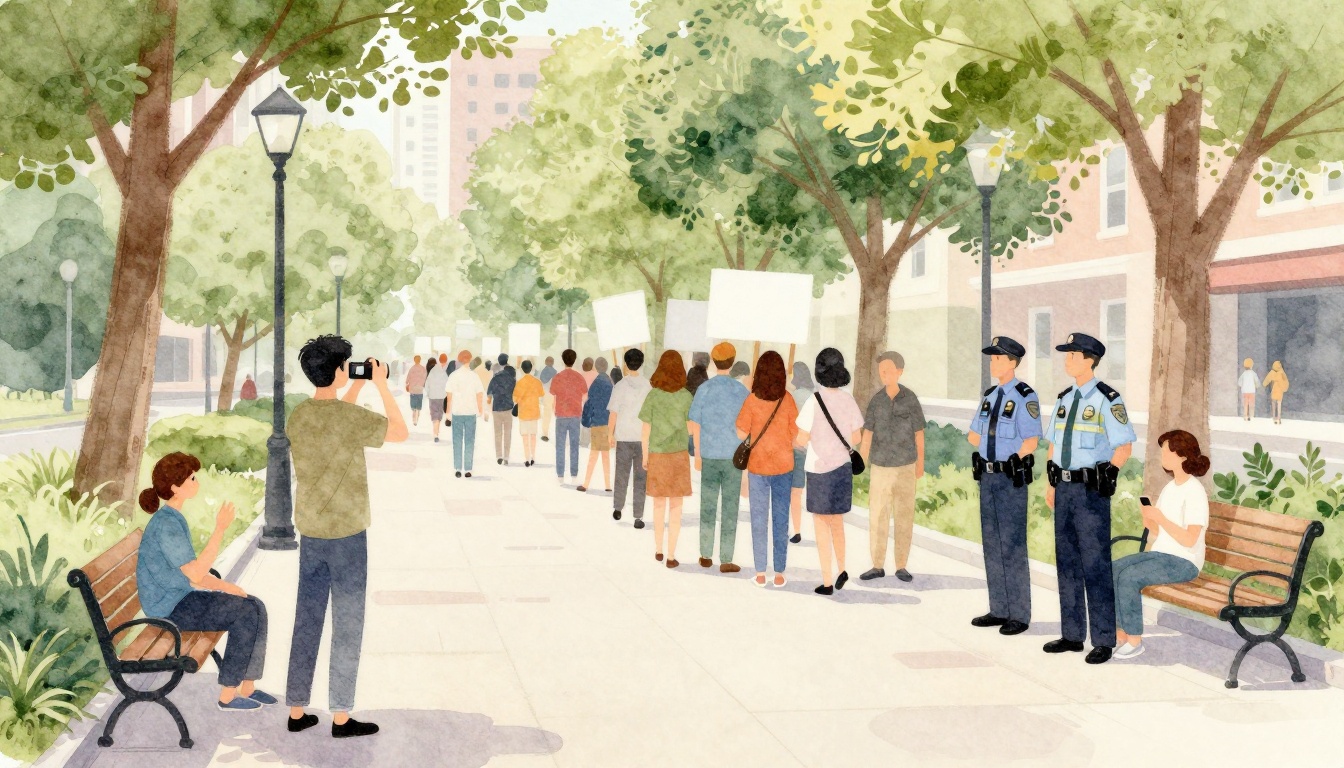
You can do a lot in public, but it helps to know where your rights in public places start and where they can end. Maybe you plan to protest nearby. Maybe you want to document something that feels off. Or maybe you just want to walk, film, and live without surprise trouble.
In the US, many everyday public spaces are treated like traditional forums for expression. That means your rights often get stronger when you stay peaceful and non-obstructive, like on streets, sidewalks, and in parks.
Below are the core rights most people ask about: free speech and assembly, recording police, privacy from random stops, and limits on loitering and panhandling. Keep reading for practical tips to stay safe and legal.
Speaking Up Without Fear: Your Free Speech and Assembly Rights
The First Amendment protects your ability to speak in public and join with others to make your message heard. That includes chatting with people near you, holding signs, or joining a small rally.
Still, your rights are not a free pass to block access. Police and courts look at things like whether you block sidewalks, stop traffic, or create a safety risk. If you keep moving and keep the area open, your speech usually gets much more protection.
ACLU resources summarize these basics clearly, including the idea that protest rights depend on staying peaceful and not interfering with others’ access. For a state-focused walkthrough, see Know Your Rights: Speech in Public Places (ACLU of Washington).
Also note that the US Supreme Court has not, as of late March 2026, issued a major ruling that wipes out these core public-speech rules. You may still face local policies or aggressive enforcement, so knowing the baseline helps.
Protesting and Marching: When No Permit Is Needed
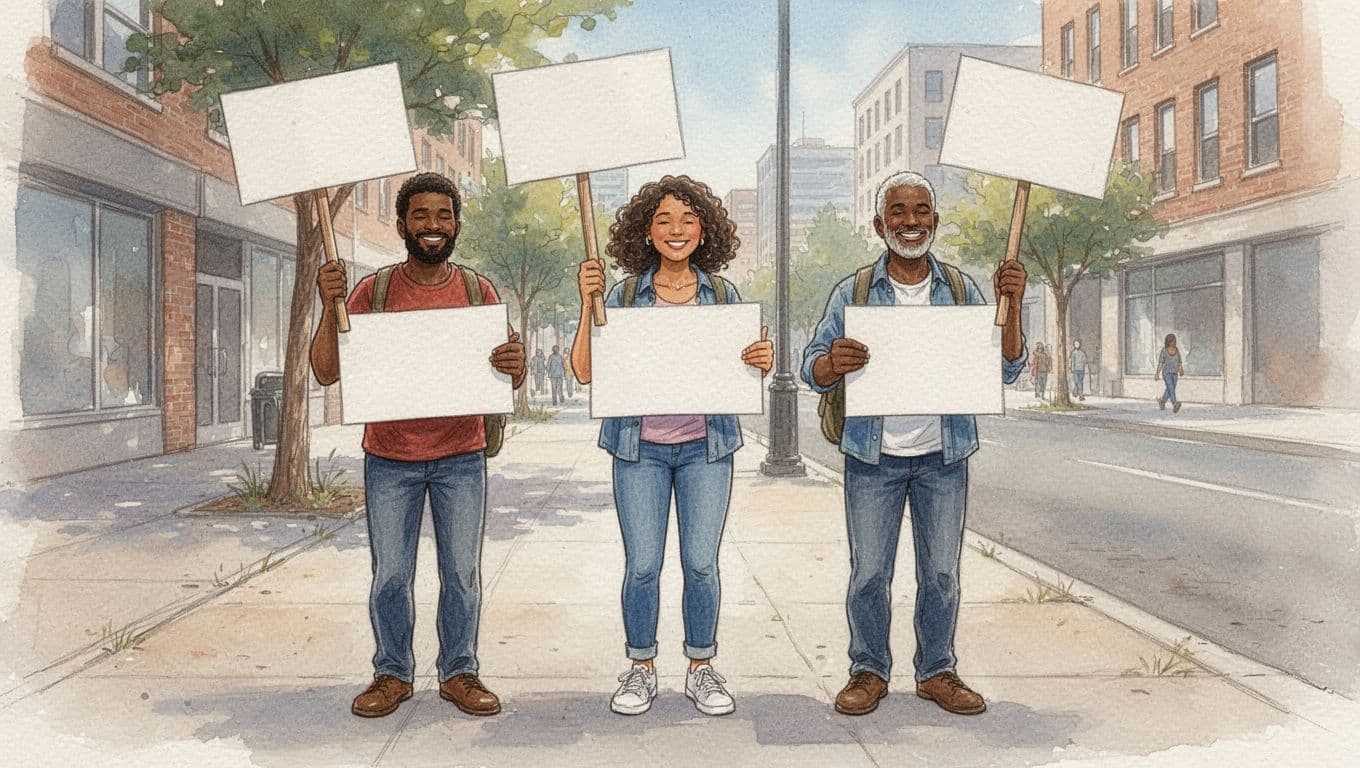
Often, you can protest without a permit. If you’re on a public sidewalk, you can usually stand, speak, and hold signs, as long as you do not block entrances or limit safe access.
Marches on public streets can be more sensitive, because traffic and crowd control matter. If you plan to walk with signs, keep to legal routes when possible. When police tell you to move for safety, you should comply with the order. Then, you can ask what rule you violated and whether you can return once the area clears.
The main theme is simple: authorities can regulate time, place, and manner. They cannot ban peaceful expression just because they disagree with the message.
For more on protest rights (with a clear, practical tone), read Protesters’ Rights (ACLU of Texas).
What Speech Crosses the Line?
Not all speech gets First Amendment protection. Two common categories lose protection in many cases: true threats and incitement.
- True threats involve a serious intent to harm someone or carry out violence. Yelling “I’m going to hurt you” is not the same as a heated opinion.
- Incitement means urging people to commit wrongdoing that’s likely to happen right away.
So what’s the contrast in real life? Saying “I hate this policy” stays closer to protected speech. But calling for immediate violence, in a way that makes violence likely to occur soon, crosses a line.
Even when speech is protected, you can still get asked to move if you obstruct an entrance or create a dangerous situation. In other words, keep your message firm, but keep your behavior safe and lawful.
Film It Right: Recording Police and Taking Photos in Public
Many people think filming police is a “maybe.” In much of the country, it’s a strong “yes,” as long as you film from a lawful spot and you do not interfere.
In public places, recording police and other officials acting in their jobs is often protected under the First Amendment. Police cannot simply grab your phone, delete your video, or force you to stop filming just because they dislike being recorded.
For a clear ACLU explanation, see Recording and Documenting Police and Federal Agents (ACLU). You’ll find the key points laid out in plain language.
Also, if you’re standing in a public area and recording what you see, photography and video tend to follow the same general rule. Private property is different. If you enter a private space without permission, the owner can often set limits.
Your Phone Is Your Tool: Legal Ways to Record Officials
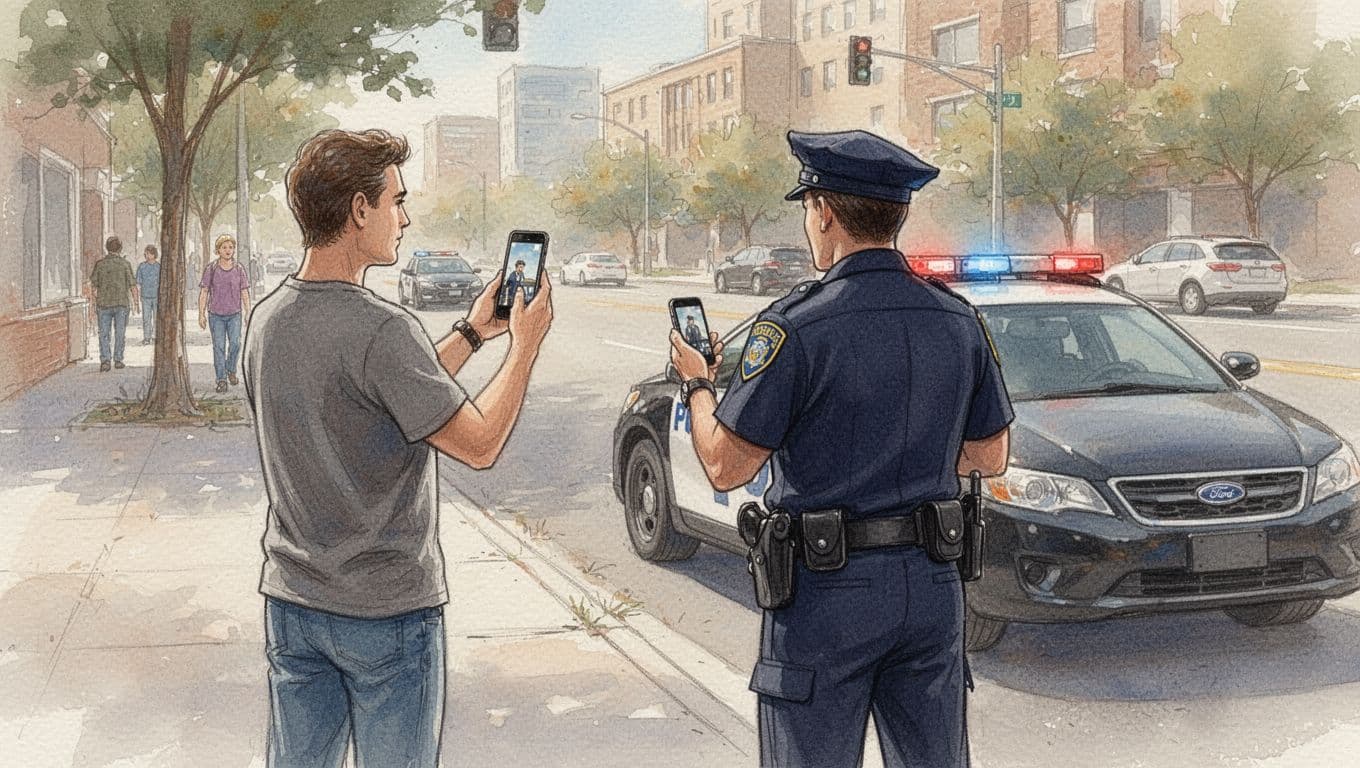
If you’re recording police in public, the safest approach is to stay where you’re allowed to stand. Hold your phone openly. Keep your distance. Do not touch officers or move into their space.
Also, be ready for confusion. Some officers may claim you must stop. You can stay calm and keep recording if you are truly not interfering.
ACLU guidance also emphasizes that, if you are arrested, officers may take your phone. Still, that does not mean they can automatically view or delete your content without legal authority. For another straightforward summary, check Recording and Documenting Police and Federal Agents (ACLU of Indiana).
If police order you to move, treat it like a safety instruction. Once you’re back in a lawful spot, resume recording if you can. Document time and location if things escalate.
Photography Rules: Snap What You See in Plain Sight
Think of it like this: if you can see it from where you’re legally standing, you can usually photograph it. That includes streets, sidewalks, and parks.
However, your rights shrink in private places. A store owner can set rules for filming inside. A building manager can restrict photography in certain areas. Public viewing is different from entering a private room or restricted space.
If you’re unsure, ask yourself one question: “Am I in a place I’m allowed to be?” If yes, you’re on firmer ground.
Stay Private: Protection from Searches and Random Stops
Public rights do not mean “no limits.” Police still can investigate crimes and make some stops. But the Fourth Amendment limits unreasonable searches and seizures.
In plain terms, police usually need a warrant or probable cause for searches. Random searches just because they stopped you are generally not okay. They also cannot pat you down for no reason.
Traffic stops are a common example. An older but useful overview of how the Fourth Amendment applies to stop procedures appears in Traffic Stops: Police Powers Under the Fourth Amendment (Office of Justice Programs). It’s not legal advice, but it shows the basic logic courts use: officers need a lawful basis for each step.
What about “phone grabs”? If you are not under arrest, you may refuse consent to search. If police ask to take your phone, you can respond calmly: “I do not consent.” If an arrest happens, officers may take the device. Even then, searching contents typically needs lawful justification.
If you get arrested, ask for a lawyer right away. If you can, write down what officers said and what they searched. Those details can matter later.
Hang Out Freely: Loitering, Panhandling, and Casual Public Time
Two words people hear a lot are loitering and panhandling. Both can be misunderstood, and both can be used too broadly.
Loitering laws often get challenged because they can punish people just for being somewhere. Many cities try to write rules that sound neutral but end up targeting certain behaviors or people. Peaceful presence usually matters more than city buzzwords.
Panhandling raises First Amendment issues. Asking for money is often treated as a form of speech, especially when it’s non-aggressive. The Supreme Court decision in Reed v. Town of Gilbert helped clarify how strict sign and speech rules must be. As a result, blanket bans on asking for money can get struck down.
For a legal look at how panhandling regulation changed after Reed, read The Effects of Reed v. Town of Gilbert on Panhandling Laws (First Amendment Law Review) or Panhandling Regulation After Reed v. Town of Gilbert (Columbia Law Review).
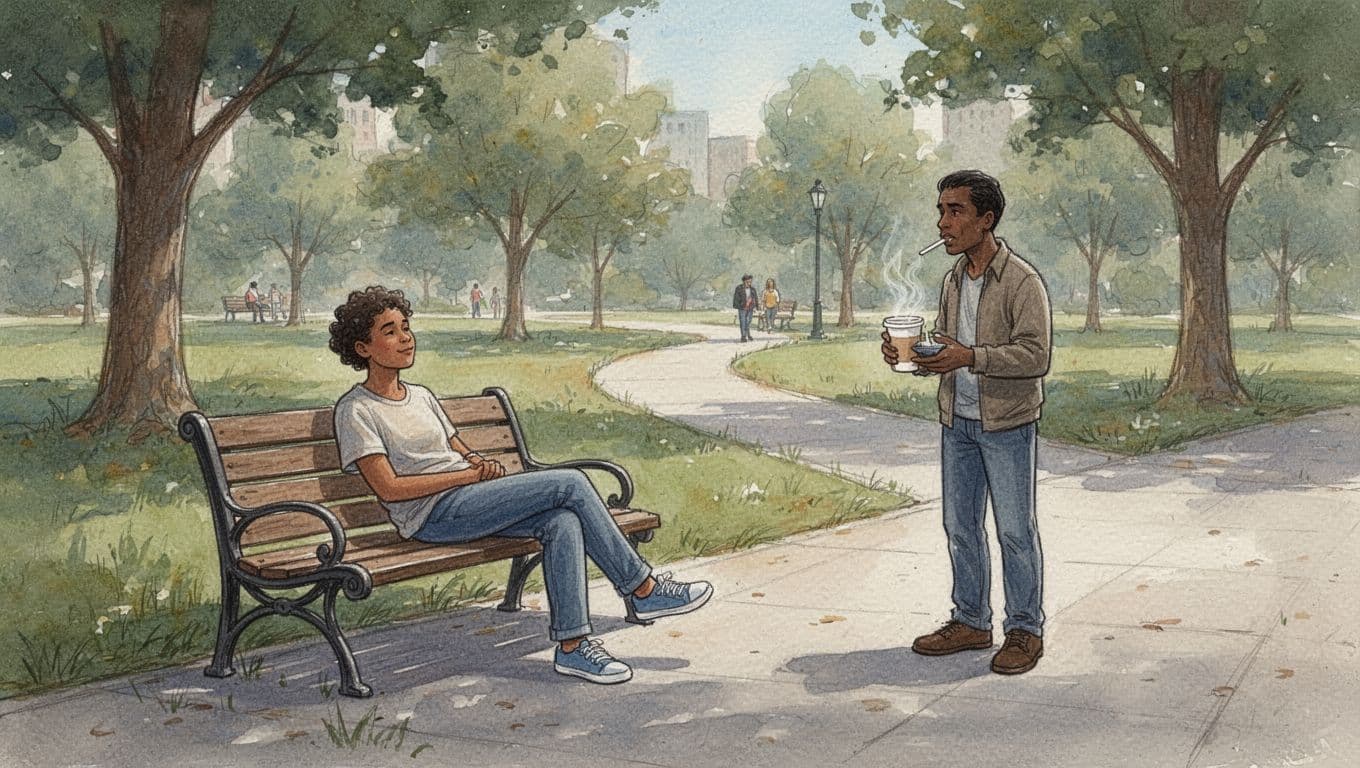
Here’s what usually keeps you safer legally and physically:
- Stay non-aggressive. No blocking, trapping, or harassing people.
- Keep the space open for foot traffic.
- Follow lawful orders about moving for safety or access.
Local rules can vary. Some cities focus on “aggressive” behavior instead of the act itself. As of late March 2026, there were no major Supreme Court decisions that directly rewrite panhandling or loitering protections in the way some people fear. Still, you can face enforcement pressure, so a calm approach helps.
Also remember that even protected speech can lose protection if it becomes disorderly or unsafe. Think of it like a kite. The message flies higher when you don’t yank the string in a way that makes things collapse.
Conclusion
Your rights in public places are strongest when you act peacefully, stay safe, and avoid blocking access. Free speech and assembly protect your message, recording often protects your documentation, and privacy limits random searches.
If police actions feel wrong, keep your cool and focus on what matters: your location, your distance, and whether you’re interfering with safety. If you’re arrested or searched, ask for a lawyer and save the details you can.
Has something happened to you in public that made you wonder where the line is? Share your story in the comments. When you know the rules, you can stand your ground without taking unnecessary risks.