A fake label can look harmless, until you learn your “Made in USA” purchase includes key parts from overseas. A hidden fee can also feel minor, until your total jumps at checkout. Then you’re left wondering how it happened so fast.
Unfair business practices are actions that trick you into a bad deal, or push extra costs you didn’t expect. The FTC treats “unfair or deceptive” conduct as misconduct that harms consumers. And in March 2026, President Trump signed Executive Order 14392, pushing the FTC to crack down harder on false “Made in America” claims.
That matters now, because more sellers market harder, charge faster, and hide details deeper in fine print. Also, new tech can shape prices in ways you never see coming.
So the goal here is simple: learn how to recognize unfair business practices across common situations like false advertising, hidden fees, and subscription traps, plus the newer bait-and-switch and AI pricing patterns. You’ll also get clear next steps for reporting problems and protecting your money.
Spot Fake Made in USA Labels Before Buying
Let’s say you’re shopping for a “Made in USA” battery. You see the label, feel good about the choice, and hit buy. But if key parts come from another country, that label turns into a kind of disguise.
In 2026, that risk is real. President Trump’s Executive Order 14392 (March 13, 2026) directs the FTC to focus on enforcement against false “Made in America” claims, including online advertising.
The FTC already has a track record of taking action. For example, Lithionics Battery agreed to pay $105,319.56 after the FTC alleged it used “Made in U.S.A.” labels while using lithium-ion cells made in China. Another FTC case involved Lions Not Sheep, which agreed to pay $211,335 after using “Made in USA” labels while making only minor U.S. changes to products imported from abroad.
These cases show the pattern. If a brand uses patriotic wording to sell you a story, it still has to follow the FTC’s rules about what “Made in USA” actually means.
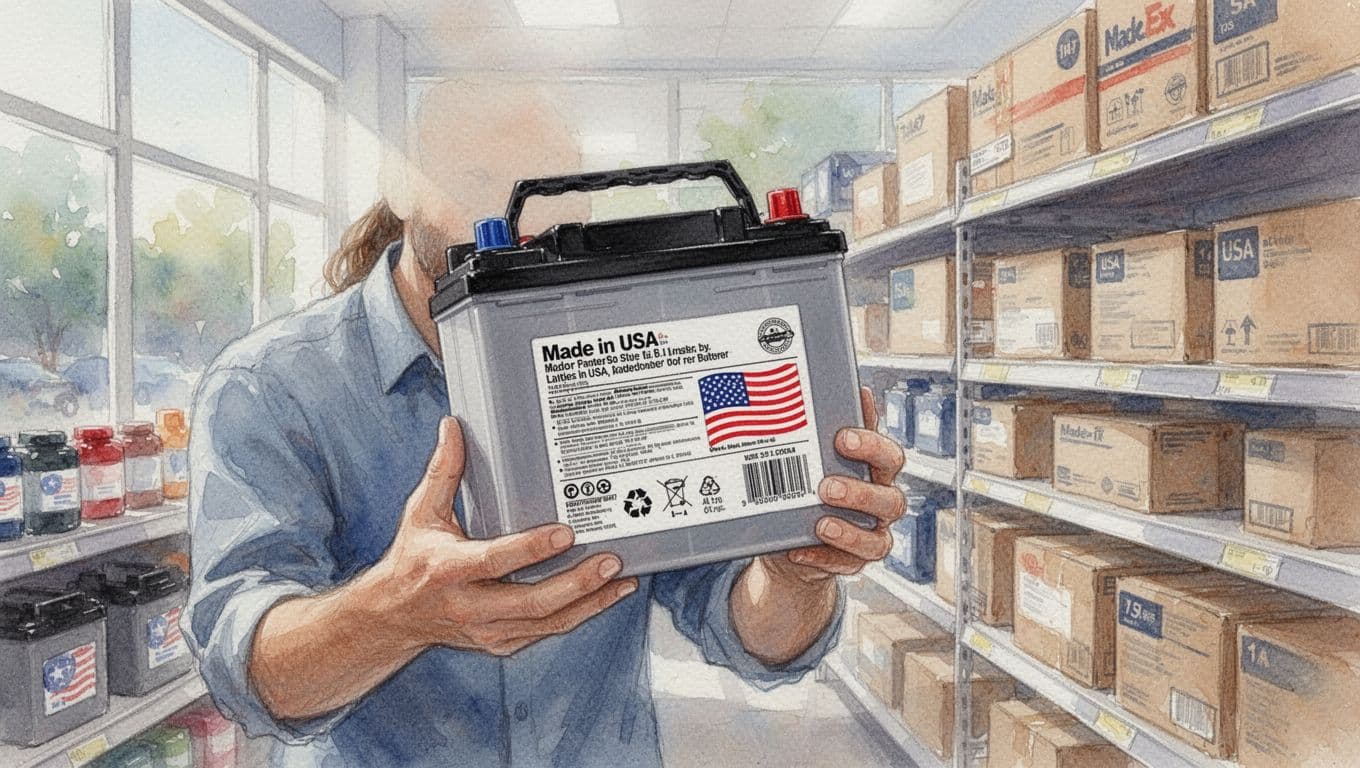
A quick reminder helps here: “Made in USA” claims must match the product’s real origin and processing. If the label is vague, the details are missing, or the price seems too good to be true, you should slow down.
Check Labels and FTC Tools for Proof
Start with one question: does the label tell you what qualifies, or does it just sound proud? The FTC explains that “Made in the USA” claims must be truthful. In plain terms, the FTC says the product is assembled in the U.S., significant processing happens in the U.S., and all or virtually all components are U.S. origin.
For a direct reference, use the FTC’s consumer guide: Made in the USA | Consumer Advice.
Then verify using a simple approach:
- Read the whole claim. Words like “Made in USA,” “all American made,” or “100% American” carry stricter expectations than softer phrasing.
- Look for the country-of-origin details. If you only see marketing words, not production facts, treat it as a red flag.
- Be careful with “assembled in USA.” Assembled in the U.S. can still mean major parts came from elsewhere.
- Watch for “substantial transformation” confusion. Minor steps (like basic assembly) may not qualify. Many “Made in USA” fights turn on what work really happened in the U.S.
If you want an easier breakdown of how the FTC standard plays out in real shopping, this plain-English guide helps: FTC Made in USA Requirements (in Plain English).
Here’s a quick comparison of common labels:
| Claim you see | What it usually means |
|---|---|
| Made in USA | Assembled in the U.S., significant processing in the U.S., and all or virtually all parts from the U.S. |
| Assembled in USA | Assembled in the U.S., but parts may be from other countries |
| Ships from USA | The product ships from the U.S., even if it’s made elsewhere |
When you spot a “Made in USA” claim without supporting details, don’t assume honesty. Treat the label like a prompt, not proof.
Catch Hidden Fees and Junk Charges in Time
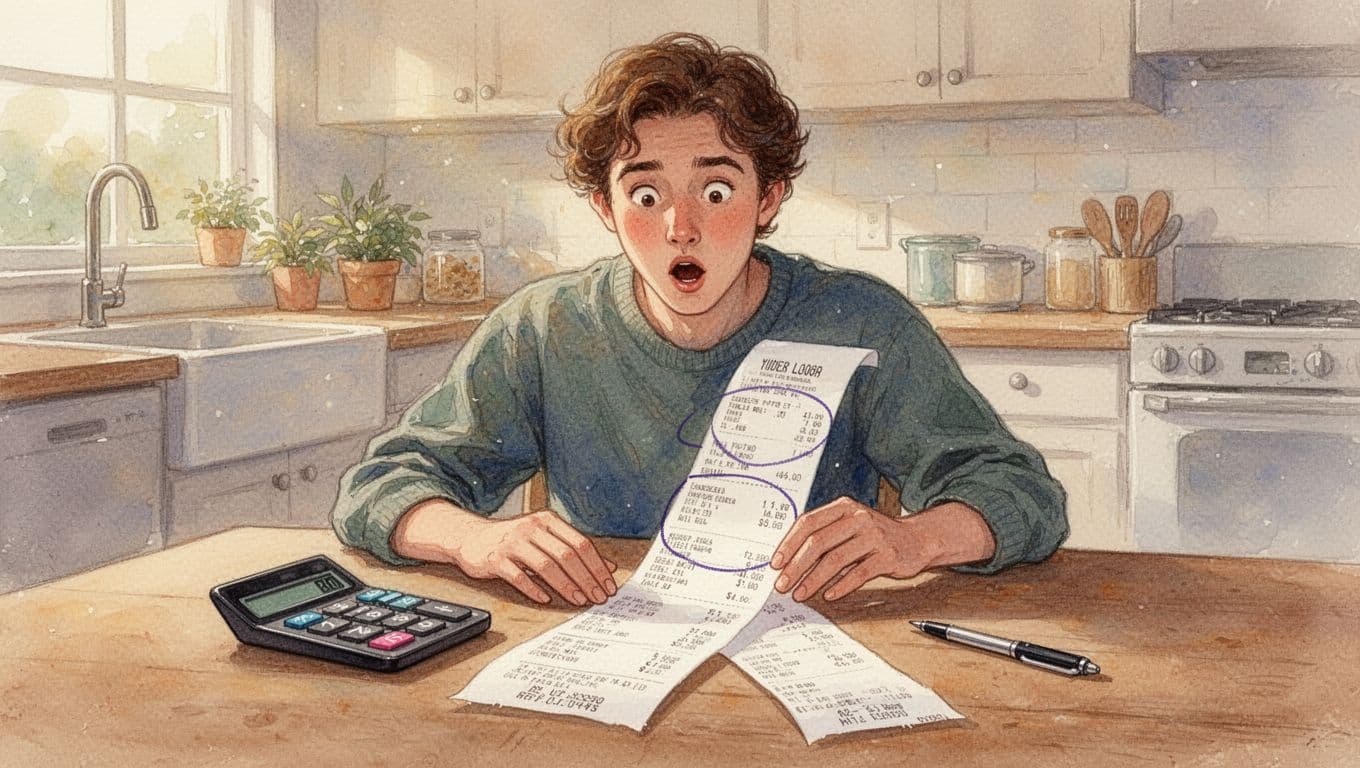
Hidden fees don’t always look sneaky. Sometimes they show up as “tax,” “service,” or “processing.” Other times, they appear after you enter payment info, or only on the final checkout screen.
The FTC has been pushing rules to stop unfair or deceptive “junk fees.” It calls these charges deceptive when the company shows you one price, then adds mandatory costs later. Massachusetts also moved ahead earlier: Massachusetts enforced its junk fee rules starting September 2, 2025. These rules require businesses to show the total price upfront, explain fees clearly, and make cancellations easier (especially for subscriptions and trial offers).
In plain English, hidden fees drain your budget quietly. You might notice, or you might not, but your bank account feels it either way.
A few common examples:
- Event tickets that start with one price, then add mandatory “facility” charges.
- Resort bookings with “resort fees” added after the deal looked done.
- Rental services that tack on insurance or “service” charges you never agreed to clearly.
- Online carts where the “real total” only appears at the last step.
Here’s the best habit: always find the final total before you pay. If the site rushes you, pause and scroll.
Also pay attention to New York City enforcement in 2026. The city issued executive orders targeting junk fees and subscription traps, and agencies followed up with warnings and suits for businesses that failed to disclose fees clearly.
For the federal rule overview, read the FTC’s guidance here: The Rule on Unfair or Deceptive Fees FAQs.
Avoid Deceptive Subscription Traps
Subscriptions can be fair. A problem happens when companies design the signup and cancellation path to confuse you.
One major federal concern is “negative option” selling, which includes subscription traps. The FTC has gone after apps and services that hide costs until you enter payment info, or make cancellation harder than it should be.
A strong example is Cleo AI. In March 2025, Cleo settled with the FTC over claims that it tricked people with hard-to-cancel plans that broke ROSCA (the Restore Online Shoppers’ Confidence Act). The FTC alleged Cleo hid the real terms until after payment steps, used ads that promised fast cash, and made it hard for users to stop charges.
So how do you spot subscription traps early?
- The “free trial” details are buried. If you have to hunt for the real charge amount, assume it’s a trap.
- Pre-checked boxes appear during checkout. If you didn’t actively choose it, you shouldn’t owe it.
- The cancel button feels like a maze. If it takes multiple steps or redirects you, take screenshots before you try again.
- “We’ll email you” is the only plan. A real cancellation path should work on day one.
If you want a plain view of how “click-to-cancel” enforcement and negative option rules work, this explainer is useful: FTC’s Click-to-Cancel Rule Gets New Life.
When you’re stuck in a trap, take action fast:
- Save proof. Screenshot the offer, checkout page, and any confirmation email.
- Document the cancellation steps. Notes help if you need refunds later.
- Contact support with details. Be direct: ask for cancellation confirmation and a refund if you were misled.
- Report the pattern. The FTC and state offices track repeated scams.
Recognize Bait-and-Switch and Pricing Tricks
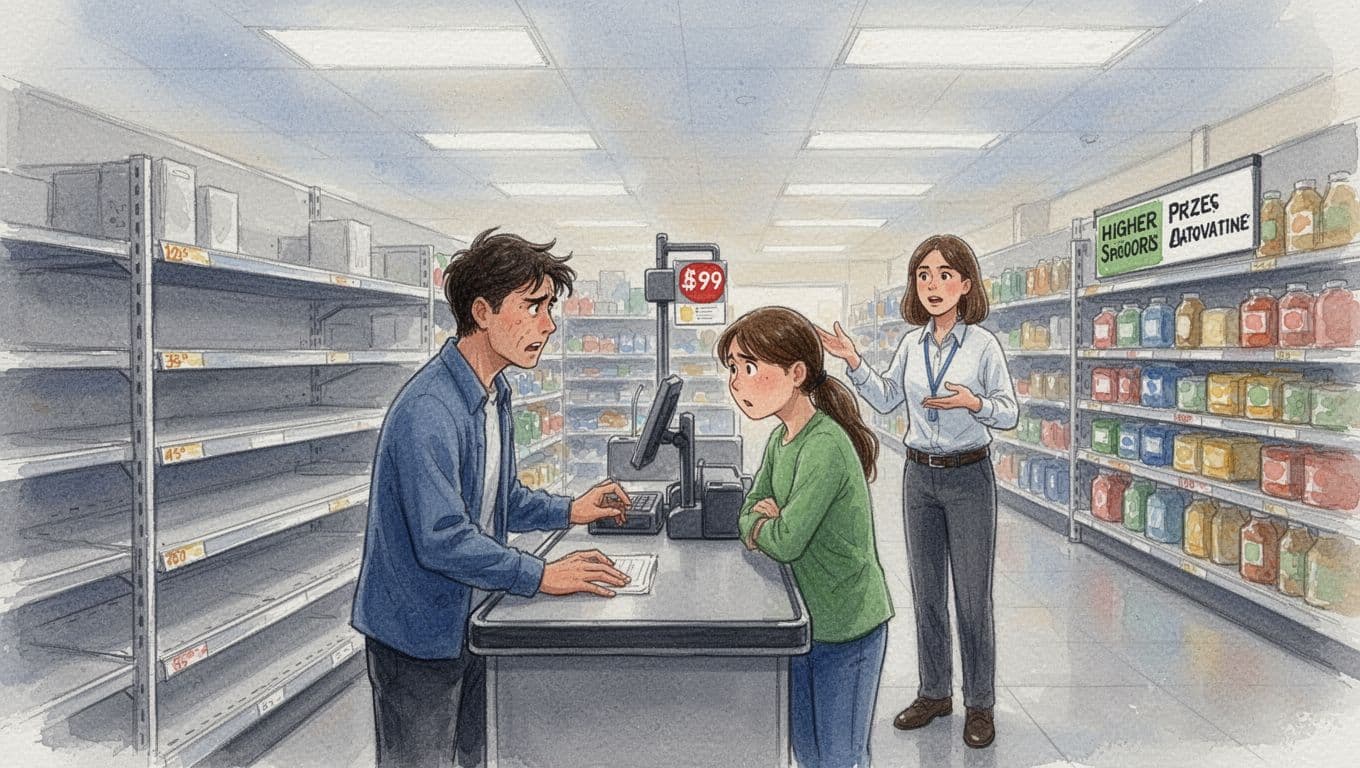
Bait-and-switch is the classic trick: lure you with a low price, then push you toward a higher one. Sometimes it happens in-store. Other times it happens online through “limited stock” or “recommended alternatives.”
You might see it like this:
- Ads show a deal, but the item is “out of stock” when you try to buy.
- The site says there’s a low price, but checkout adds surprise costs.
- A store pushes you toward a more expensive model with vague reasons.
Pricing tricks also show up in loans and other financial offers. In March 2026, attorneys general sued a New York lender in federal court. They alleged a bait-and-switch scheme tied to hidden fees and risks not explained upfront. The suits claimed the lender used ads with missing loan terms and rushed closings that harmed borrowers.
So what should you watch for?
- Pressure tactics. “Only today” can mean “we need you to decide before you read.”
- No clear comparison. If the offer makes it hard to compare total costs, step back.
- Stock games. “Last one” or “only this model” can be a setup for upsells.
- No price matching. If they won’t match the advertised deal, ask for the exact policy in writing.
In short, if the offer changes the second you show real interest, treat it like a warning sign.
Watch for AI and Tech Pricing Biases
AI can improve tools and services. It can also create pricing problems you’ll never spot with your eyes.
In 2026, New York regulators and lawmakers pushed concerns about surveillance pricing and dynamic pricing biases. The worry is that some systems use personal data (or signals tied to it) to charge different prices to different people for the same product.
New York Attorney General Letitia James has backed laws aimed at stopping discriminatory price setting through algorithms. The goal is fairness and transparency, especially when a company uses personal data in ways that raise costs for certain groups.
Here are practical signs to watch:
- Same item, different prices on different devices.
- Big price jumps after you log in.
- Higher offers after browsing certain pages or languages.
- “Why is my price different?” never gets a clear answer.
If you suspect AI pricing bias, try this quick protection plan:
- Compare prices using incognito mode (so cookies don’t guide the price).
- Check on a second device (phone vs laptop).
- Clear cookies before comparing again.
- Screenshot what you see. Keep the date, time, and item name.
Then don’t just move on. If you keep seeing unfair price changes, reporting helps regulators spot patterns.
Take Action Against Unfair Practices You Find
Seeing a trick is one thing. Stopping it is another. The good news is that you can act even if you’re just one buyer.
Start by gathering proof. Strong proof usually includes:
- Receipts and screenshots
- Email confirmations
- Checkout pages (showing the “before” and “after” prices)
- Any labels or product pages that claim “Made in USA”
- App store screenshots for subscription offers
Next, report what happened to the right places:
- FTC for unfair or deceptive practices (especially false advertising and fraud patterns).
- Your state attorney general for state-level consumer protection issues.
- BBB for business complaint tracking (not perfect, but it can add pressure).
- If it’s a payment or loan issue, consider reporting to the agency that oversees that sector.
Also, look at FTC research and reporting trends. The FTC regularly publishes complaint reports. For example, you can review the Top Company Complaints Report – March 2025. It shows what consumers are reporting, and it helps you understand what’s common right now.
Finally, share what you learn. Tell a friend what to watch for. Post a warning in a community group. When people compare notes, unfair patterns lose their hiding spots.
As for the bigger picture, your vigilance builds consumer power. That’s how enforcement grows, and that’s how honest brands stay competitive.
Conclusion
That fake “Made in USA” label, the hidden fees at checkout, the subscription trap you missed, the bait-and-switch change at the last second, and the AI price you couldn’t explain. These are all versions of the same problem: unfair business practices that push you into bad deals.
If you take one habit from this, make it this: verify the details before you pay. Use FTC guidance for origin claims, check the total price upfront, and document anything that looks misleading.
Then report what you find. Your complaint adds weight, and it helps regulators push back.
If a brand wants your money, it should be clear about where the product came from and what it will cost you. Don’t reward confusion. Ask, check, and move on when the deal doesn’t add up.