
Ever bump into someone in a store aisle and blurt “sorry” before you even finish thinking? That quick moment says a lot. You notice. You adjust. You help the day feel smoother for both of you.
When you respect other people’s rights in daily life, you reduce stress fast. People feel safer. Conversations feel calmer. Even small spaces between bodies and words start to feel fair.
You can practice this without being preachy. The goal is simple: honor privacy, personal space, other people’s opinions, their property, your online behavior, and basic work etiquette. Think of it like keeping your hands to yourself, your voice steady, and your boundaries clear.
Ever felt crowded even when you had room? Or annoyed when someone shared your story? These are the same cause and effect. Respect helps people trust you.
Keep reading for practical habits you can use today. You’ll get easy examples, polite phrases, and tiny mindset shifts. These habits don’t just prevent awkward moments. They build better relationships, one ordinary day at a time.
Master Personal Space and Privacy for Kinder Encounters
Personal space works like invisible “volume knobs.” When someone turns it too low, you feel it right away. In 2026, a lot of people still expect space after the pandemic. At the same time, more workplaces offer options like quiet zones and team areas, so boundaries feel normal instead of stiff.
Start with the basics. If you’re close, ask yourself, “Would I feel okay if the roles switched?” Then adjust early, not after tension shows up.
One guide that’s easy to apply is research-based personal-space advice from Psychology Today’s tips on personal space. It’s not about memorizing rules. It’s about noticing comfort and context.
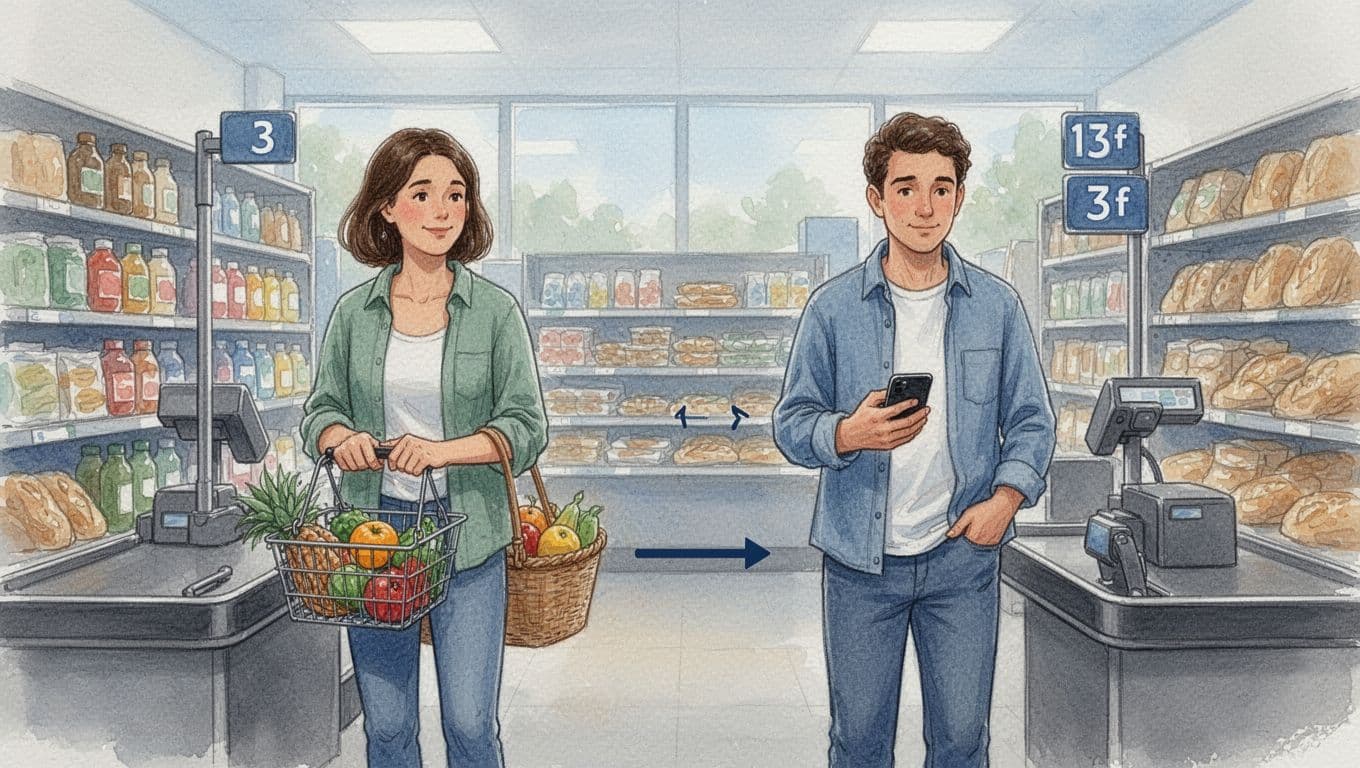
Here’s a quick way to apply space and privacy in daily life:
- Use a “default gap” in lines: aim for about 2 to 3 feet, then lean in only if needed.
- Ask before taking close photos: especially in public spaces with strangers in frame.
- Keep your ears to yourself: don’t listen to calls near you, even if you catch the words.
- Watch body signals: crossed arms and stiff shoulders often mean “back up.”
- Share only what you’re invited to share: if someone shares personal details, treat them like a loan, not a gift you can pass on.
As a rule, privacy is consent. If you’re not sure, pause. Most people appreciate the pause more than they notice your hesitation.
Give Room in Crowded Spots
Ever walked into an elevator and felt someone crowd your space on purpose? That’s the kind of tiny rights violation that can ruin an otherwise normal day.
In crowded places, queue etiquette matters. Stand where the space is clearly intended. Then keep your hands to your own items. If you need to pass, use a polite opener like “pardon me” or “sorry, excuse me.” Keep it short, then move.
Small scenarios work like practice reps:
- In a busy store line, shift your cart or basket instead of inching forward.
- On a sidewalk, stay predictable, avoid sudden side cuts, and give space before turning.
- In an elevator, face forward, keep your personal items close, and don’t block others’ footing.
Here’s a quick story from a smooth commute. During a train delay, a crowd formed at the platform entrance. One person stepped aside to let others file in. Then he used a calm “pardon me” when he needed to pass. Nobody argued. No one got defensive. The line just organized itself.
Cultural differences can matter, too. Some places tolerate closer distance in public. Still, you can respect rights by staying aware. Look for comfort signals, and adjust if someone shifts away from you.
Guard Privacy by Asking First
Privacy is not “being secret.” It’s basic respect.
Ask before you share someone’s story, image, or details. That includes things you might feel entitled to because you “heard it” or “saw it.” For example:
- Don’t post a stranger’s photo without permission, even if the photo feels “public.”
- Don’t watch someone’s screen because it’s in your line of sight.
- Don’t ask personal questions when someone clearly looks closed off.
A useful etiquette reminder comes from Diane Gottsman’s advice on the etiquette of personal space. The takeaway is simple. People carry an invisible comfort bubble. When you respect it, they feel valued, not examined.
Also, protect your own privacy. Lock your phone when you’re in public. Keep notifications off when you’re around coworkers or friends. If you need to share a photo online, double-check that your image doesn’t reveal someone else’s face, badge, address, or private moment.
And if you overshare on social media? That often means you shared someone else’s “private file.” Be careful with tags and group posts. If a friend looks uncomfortable, take the hint and fix it.
Respecting privacy means asking first, then sharing only what they say yes to.
Listen to Opinions and Set Boundaries Gracefully
Rights aren’t only physical. Opinions and feelings count too.
When you respect other people’s opinions, you don’t have to agree. You just need to treat their view like it’s real to them. That changes how arguments start and how they end.
Think about your last disagreement. Did it escalate because you attacked the idea? Or because you ignored the person behind it?
What if they vote differently than you? What if they grew up in a different home than you did? What if their “common sense” doesn’t match yours? You can still be kind and firm.
In daily life, this shows up at:
- family dinners (where “just asking” turns into pressure)
- friend chats (where venting becomes judgment)
- group plans (where “we already decided” shuts down input)
Your job is not to win. Your job is to keep respect intact.
Practice Active Listening Daily
Active listening is respect you can hear.
It works because it signals, “I’m here with you.” It also lowers the chance of misunderstandings.
Start with a few clear moves:
- Make eye contact when it’s comfortable.
- Don’t interrupt even if you know the answer.
- Repeat back the main point in your own words.
- Use short phrases like “I get what you mean.”
If you want a deeper guide, HelpGuide’s active listening tips break it down in plain language. You don’t need fancy steps. You need presence.
Picture a coffee shop conversation. Your friend says they feel stuck at work. You might want to list solutions right away. Instead, you say, “So you feel like you’re doing a lot, but your efforts aren’t being seen?” Then you wait. That pause tells them you understood, not just reacted.
Here’s a simple script you can reuse:
- “I hear you.”
- “Did I get that right?”
- “What would feel helpful right now?”
The quickest respect move is letting someone finish, then reflecting back.
Know When to Step Back from Debates
Sometimes you can talk. Sometimes you need to pause.
Watch for tension signs. People start raising their voices. Jokes turn sharp. Body language gets tight. Your mind races with “I need to correct this.” That’s your cue to step back.
Use calm boundary phrases. Keep them short:
- “Let’s agree to disagree.”
- “I don’t want this to get heated.”
- “We can drop it and talk about something else.”
Also, respect “no” on topics. If someone says they don’t want to discuss politics, religion, or money, treat that as an end point. Don’t pull them back in with “just one more question.”
In group settings, step back even faster. A debate can feel like a spotlight. Quietly shift the topic, or bring up something shared like a hobby or local event.
That’s how you protect emotional rights. You honor the person’s control over their comfort.
Handle Property and Belongings with Care Every Time
Property isn’t just “stuff.” It’s trust.
If you borrow without asking, you send a message. If you take without caring, you break the social contract. That can damage relationships quicker than a rude comment.
Be mindful with both physical and digital property.
Physical examples happen all the time:
- office mugs
- neighbor tools
- store items you “meant to put back”
- a friend’s charger you “just need for a minute”
Digital property is the same idea:
- using someone’s photo without permission
- reposting without credit (or without consent)
- saving files that include personal info
When you show care, people feel safe around you. They also trust you with bigger things later.
A simple rule helps: touch it only when you’re invited to touch it. Borrowing should feel like a request, not an assumption.
Ask Permission Before Borrowing Anything
Permission is a small sentence that prevents big tension.
Ask for anything that belongs to someone else, even if it seems harmless. People get annoyed when “harmless” turns into “I didn’t know.”
Start with a quick question:
- “Can I borrow this for today?”
- “Would it be okay if I used your ladder this weekend?”
Then follow through. Return items clean and on time. If it’s a tool, replace parts if you break something. If it’s a book or charger, put it back in the same condition.
Here’s a checklist you can use:
- Ask first, even for short use
- Confirm timing, like “today” or “by Friday”
- Handle it carefully, no tossing or “testing”
- Return it clean, not “close enough”
- Send a quick thanks, because gratitude matters
For neighbor-style borrowing, AmericanAChoice’s unwritten rules for borrowing tools sums it up well: permission plus good communication builds goodwill.
Now, a fun anecdote. Someone once lent me a bike “for an hour.” I should have checked the chain tension first. I didn’t. I rode it anyway, then I realized it was making a rough noise at the end. I panicked and hid the bike in the garage, hoping it would “work itself out.” It didn’t. My apology happened, but trust still took a hit.
I learned fast: if something feels off, be honest right away. Ask, fix, and follow up. That’s how borrowing stays respectful.
Thrive Online and at Work by Respecting Digital and Team Rights
Rights follow you online and into work. So do misunderstandings.
Online, respect shows up in what you post, what you tag, and what you repeat. Work respect shows up in schedules, credit, and communication habits.
You can ruin trust with one careless move:
- tagging someone in a post they never approved
- forwarding gossip without checking facts
- sending messages at midnight without thinking
- taking credit for someone else’s idea
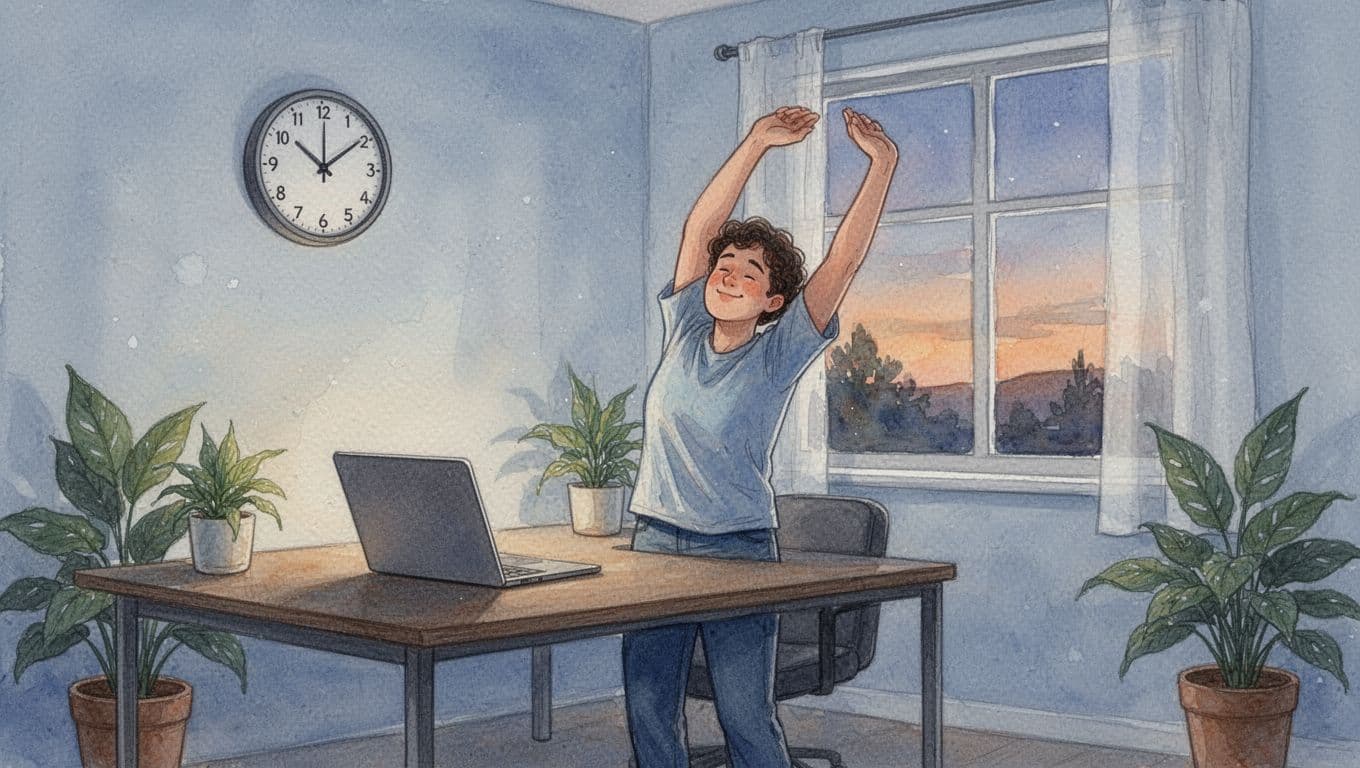
In 2026, remote and hybrid work keeps growing. Many teams now use boundaries like fixed start and end times, shared core overlap hours, and a “right to disconnect.” That means people expect no after-hours messages unless it’s truly urgent. The culture is shifting toward rest, not constant pinging.
Set Online Boundaries That Protect Everyone
Online manners are still manners.
Respect means you don’t identify people in ways that put them at risk. Avoid doxxing, even “as a joke.” Also avoid piling on in comment threads. If you wouldn’t say it kindly in person, don’t post it publicly.
Here are practical steps that protect people:
- Ask before tagging friends in photos.
- Keep settings tight, especially for stories and location data.
- Don’t post private details like addresses or schedules.
- Avoid reposting personal info even if it feels “minor.”
If you want a privacy checklist for 2026, GhostMyData’s guide to social media privacy in 2026 can help you think through common risks and settings.
Also watch “screenshots culture.” If someone shares something confidential in a chat, don’t screenshot it for your group. If you must document something for a serious reason, blur names and sensitive details first, then keep it limited to what’s needed.
Finally, treat your words like property. Comments can stick. Posts can be saved. So choose tone and timing like you would in a real room with real people.
Build Team Respect in Your Job
Team rights are simple, even when work gets busy.
Share credit. Don’t “take over” someone’s idea in a meeting. Give others space to speak. If you disagree, do it without shaming. That’s respect you can build into your routine.
Communication boundaries matter more in hybrid setups. In 2026, many teams expect shared norms like:
- core overlap hours for quick chats
- fixed work windows for email replies
- quiet hours to reduce interruptions
- response expectations you state clearly
You can set these boundaries without sounding cold. For example, if your day ends at 5 PM, say what happens next:
- “I’ll reply tomorrow during work hours.”
If someone messages late, respond kindly, not with attitude. Something like:
- “Thanks, I saw this. I’ll respond tomorrow.”
That keeps the relationship safe. It also trains the team.
Slack etiquette is part of it too. Don’t @ people for low-priority questions. Use the channel topic. If it’s sensitive, use private messages. Email privacy also matters, so avoid blind-copying large groups when personal details could appear.
And when you’re at lunch or in break rooms, keep it respectful. Don’t pressure anyone to join. Don’t turn conversations into gossip. Your goal is a workplace where people feel safe to show up as themselves.
Conclusion: Choose One Habit and Start Small
Respecting other people’s rights in daily life is not about grand gestures. It’s about tiny choices that prevent discomfort. When you give space, ask permission, listen well, and set boundaries, life feels easier for everyone.
Pick one habit for this week. Maybe it’s asking before you share a photo. Or maybe it’s using “pardon me” and giving a real gap in crowded lines. Or maybe it’s stopping work messages when your day ends.
Here’s a simple thought to keep close: respect others rights daily life tips work best when they start with a question.
“Kindness sounds like consent, not assumption.”
Which habit will you try first today?