
Picture this: you miss a court date by a few days, and suddenly you’re facing fines or even a warrant. That kind of problem can start with a simple legal slip, and it can happen to people who thought they were doing everything “right.” These are common legal mistakes, but most of them are avoidable with basic know-how and a little preparation.
In 2026, the risk feels higher for two reasons. Courts are stricter on missed deadlines, and scams are getting smarter, including AI-based impersonation and fake “urgent” notices that push people to act fast. When you combine that with everyday choices in contracts, family plans, driving, business paperwork, and estate setup, it’s easy to see how a small error turns into a costly one.
This post shares real examples of how these mistakes happen in daily life, what goes wrong, and what to do instead, without the legal fog. You’ll also learn practical fixes for contract mix-ups, family and custody confusion, ticket and insurance problems, business record mistakes, and gaps in estate planning like missing wills or wrong beneficiaries.
Keep reading, and you’ll walk away with peace of mind and smart habits you can use right away.
Falling for Scams and Ignoring Basic Rights in Daily Life
A lot of legal trouble starts long before a lawyer ever gets involved. You might lose a dispute simply because you skipped basic documentation. Or you might miss a court date and watch a minor issue grow teeth. Add romance scams and pig butchering into the mix, and it’s easier than you think to fall into a trap that costs real money.
What Happens When You Skip Documentation
If you don’t keep receipts, emails, or photos, you’re basically walking into a dispute with your hands tied. In court, stories matter less than records. Insurance companies think the same way, because they need proof to pay.
Here’s a common example: you hire a handyman, they do sloppy work, and you ask for repairs. Later, they claim you never reported the issue, or they say they finished what you approved. Without text messages, photos, or invoices showing the problems, you lose credibility fast. A judge can’t “guess” what happened, and the other side often has documentation.
You can also doom your insurance claim. After a fender-bender, many people trade insurance info and move on. Later, the other driver claims it was your fault. If you only rely on memory, you may struggle to show damage patterns, vehicle positions, or the timeline of events.
To protect yourself, use a simple documentation habit:
- Snap photos right away (damage angles, license plates, street lighting, any hazards).
- Save messages (emails, texts, app chats, voicemail screenshots).
- Collect names (witnesses, store staff, anyone who saw it).
- Keep receipts (repairs, towing, medical visits, substitute transportation).
When scams hit, documentation matters even more. Romance scams often start with “trust me” chat logs and end with demands for crypto or gift cards. Scammers rely on you having nothing solid to show. The FTC highlights telltale signs, including excuses to avoid meeting in person and repeated requests for money (see FTC romance scam warning signs).
Without records, your “evidence” becomes a fight about who seems more believable.
The Dangers of Missing Deadlines and Court Dates
Deadlines are not just paperwork. Courts treat missed appearances like a broken promise. As a result, you can face fines, fees, or even a warrant, even if the original issue felt small.
Traffic tickets are the most common wake-up call. Many people ignore mail, assume they’ll handle it later, or miss a court date because they mixed up the date or moved. Then they get stuck with extra penalties, and their case can escalate into a failure to appear. A missed date can also affect your insurance rates and make future legal steps harder.
If you want a real-world guide to how this cascade happens, check what happens if you miss court for a traffic ticket. The big takeaway is simple, courts and agencies often respond automatically when you do not show up.
Here’s how to avoid the spiral:
- Put every court date and ticket deadline on a single calendar (phone + paper backup).
- Act early if you can’t attend (reschedule options are time-sensitive).
- Get legal help before it becomes an appearance problem (even a brief consult helps).
- Don’t ignore summons updates because “later” usually means “worse.”
One more layer in 2026 is scam pressure. Fraudsters send fake “urgent” notices to push you to miss deadlines or pay fast. If an email or text threatens immediate jail time, stop and verify it through official court or agency channels. With deadlines, you don’t need panic, you need proof and a plan.
Why Fine Print and Deadlines Matter More Than You Think
A handshake can feel like the finish line. It feels friendly, fast, and “we both meant it.” However, when money is involved, courts do not reward good vibes. They reward proof, clear terms, and deadlines you can point to.
Most handshake disputes start the same way. One side thinks the deal is simple. The other side later treats it like a different agreement entirely. Then comes the part that turns a small disagreement into a costly contract fight: missing sign-off dates and overlooked notice rules.
How “Handshake Sufficient” Turns into a Proof Problem
People assume verbal promises are clear because they sound clear in the moment. Still, the real fight usually becomes about what you actually agreed to. Was payment due after delivery or after “approval”? Did the price include revisions? What counted as “sustainable” or “green”?
When a contract never got written, you lose the built-in map. You also lose the guardrails that tell you:
- what starts the clock,
- what counts as a breach,
- and what steps you must take to preserve your claim.
In practice, parties argue over fragments. Text messages. Half-sent emails. A voice memo. Maybe even a friendly follow-up you now wish you had saved. Then the other side says, “That is not what we agreed.” You might still have enforceable terms, but you now have to prove them.
If you want a reality check, look at discussions on why verbal or handshake deals can hold up, but often only if you can prove the exact terms. For example, see when a handshake deal holds up in court.
Missing Sign-Off Dates: The Fast Track to Lost Money
Fine print often includes dates that control everything. Think of them like the “steering wheel” of the case. When you miss them, you can lose the case even if you were right about the underlying facts.
Common examples:
- A contract requires written notice of breach within a set time.
- A clause demands a signed change order before extra work is billed.
- Another section limits claims if you do not file within a deadline.
One missed step can also trigger a dismissal. As one law firm puts it, one missed deadline can kill an entire contract claim when the contract requires notice in writing. See one missed deadline can kill your contract claim.
The 2026 Greenwashing Twist (and Why It Ends in Court)
Now add the 2026 greenwashing trend. Companies have been slapped with higher scrutiny over fake “sustainable” claims, and regulators and plaintiffs expect proof. That means handshake promises like “we use recycled materials” or “this line is eco-friendly” can turn into fraud or misrepresentation claims.
Here’s the trap: partnerships can look great on day one, then collapse when audits or customer complaints surface. Suddenly, the parties fight about marketing statements, documentation, and who promised what. Meanwhile, court backlogs also drag resolutions out, with the system facing over 373,000 cases delaying outcomes. Your dispute gets bigger just by taking longer.
A Straightforward Fix Before You Shake Hands
Before you sign, treat the fine print like the seatbelt. You should read it because it protects your money when things go wrong.
Do this every time:
- Highlight key terms (price, scope, payment timing, notice rules, and deadlines).
- Get every change in writing, including approvals and sign-offs.
- For bigger deals, ask a lawyer to review the agreement, even if the relationship feels solid.
Handshakes can start trust. But contracts with dates prevent trust from turning into a lawsuit.
Custody and Divorce Traps to Dodge
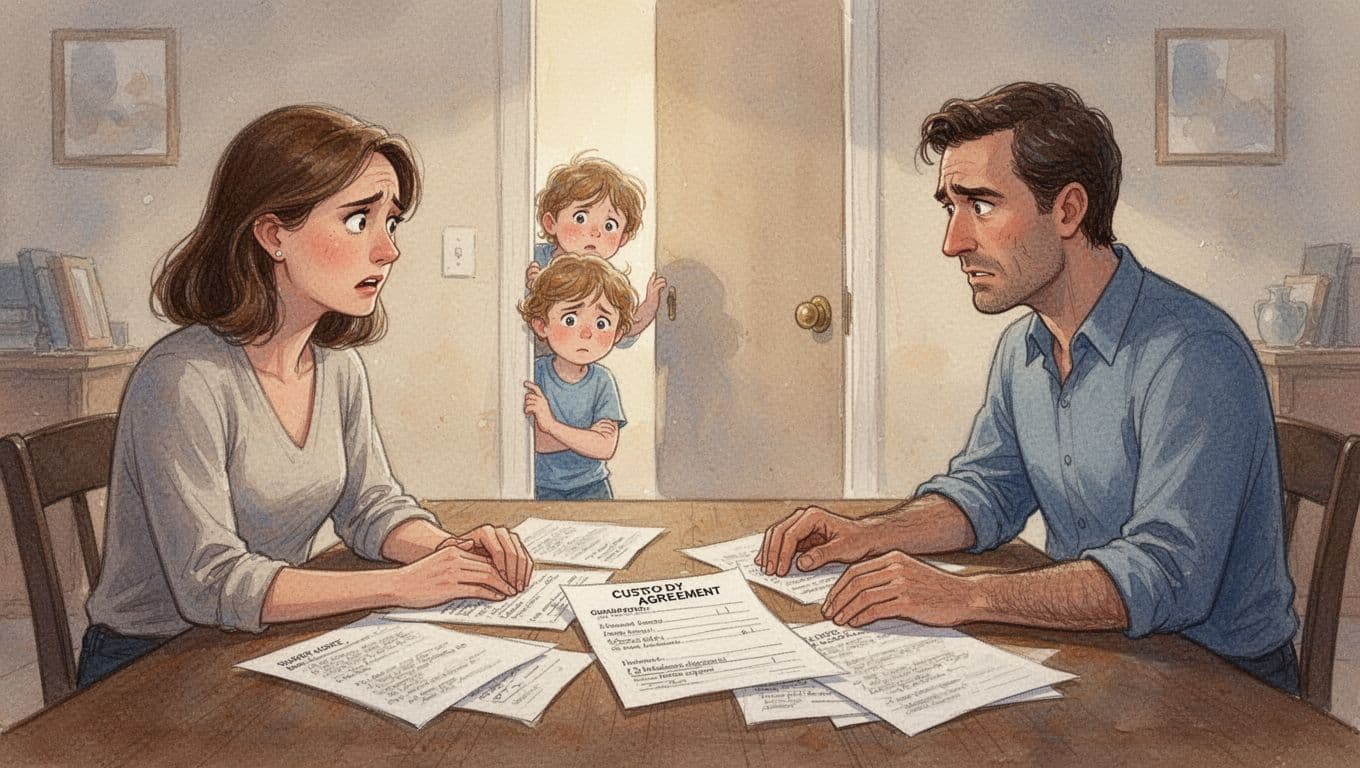
Family fights can flip from “we’ll work it out” to “we’re in court” fast. When you skip planning, you often end up stuck with a decision you would not choose today. Courts want stability for kids, and they move on schedules you cannot control.
What goes wrong with undocumented talks, ignored rights, and no parenting plan
The most common trap is simple: what you agreed to never made it onto paper. Maybe you said “50/50” over text once, then talked details later. Maybe you trusted promises during a calm week. Then, one parent changes direction, and the other has to prove every detail from memory.
Verbal or “informal” custody agreements can be hard to enforce. Even if both of you meant well, courts often treat it like a he-said, she-said file. In practice, you need a written parenting schedule the court can review. For example, can you enforce a verbal custody agreement? covers how these deals usually fail without clear documentation and court approval.
Another trap is ignoring basic rights during divorce. People also forget child-related records that later become “proof” in a custody hearing. If you do not track the real routine, you lose the map. Keep notes on:
- school drop-offs and pick-ups,
- medical visits and meds,
- missed exchanges and makeup time,
- and who actually supports day-to-day care.
Meanwhile, avoid letting emotions steer the process like a car with the lights off. A neutral mediator can help you turn feelings into clear terms. Ask for mediation rules up front, and keep every proposal in writing.
Then there is the 2026 twist families rarely see coming: elder scams that use family impersonation. Reports show scams targeting older adults grew sharply, and impersonation drives huge losses. If a parent or grandparent loses money after someone “calls from the family,” custody and support conflicts can spill into a bigger legal mess. Stay alert to warning signs of fraud and unusual requests, especially when family members pressure secrecy. For more on spotting patterns, see elder financial abuse warning signs.
Finally, do not drift into defaults. If you skip steps or delay a parenting plan, you can end up with a court order that locks in a schedule you never negotiated. Use written agreements, keep custody and support records, and consider powers of attorney when decision-making must stay steady.
Traffic Stops and Driving Mishaps That Escalate Fast
Traffic stops and minor crashes can spiral quickly. One bad choice, a missing detail, or a heated moment can turn a short incident into a long legal problem. When that happens, the fix is rarely about “winning” on the spot. Instead, it’s about staying calm, protecting your safety, and building a clear record.
What to do during a traffic stop when emotions run high
A traffic stop feels personal, but it’s mostly about safety and control. Officers may watch your hands, your movements, and your tone. So, your job is to slow everything down and follow instructions.
Start with basics: keep your hands visible, sit still when asked, and don’t reach around. Then choose your words like you’re placing careful parts in a box. You can be polite without volunteering extra facts.
Rights matter too. In many situations, you do not have to answer investigatory questions. You can also say you want to stay silent and ask if you’re free to go (if that becomes relevant). For a plain-language guide, see what to say when you get pulled over. For a broader rights overview, check the ACLU guidance on being stopped by police.

Accident aftermath mistakes that weaken your claim fast
After a crash, people often focus on the pain and forget the proof. However, missing photos, no witness info, and vague notes can hurt your claim later, even when you’re clearly not at fault.
Treat documentation like a camera roll for your future self. Do these right away:
- Take photos of vehicle positions, traffic lights, and street signs.
- Record license plates and insurance details.
- Write down what happened while it’s still fresh.
- Ask witnesses for names and phone numbers.
Also, request a police report if one applies. Even if it feels routine, that report can anchor the timeline.
If you want a quick checklist, use what to do after a car accident. Then keep every document in one folder, including repair estimates and medical paperwork.
The bottom line is simple: calm words on traffic stops, solid evidence after crashes. That mix keeps small mishaps from turning into bigger legal messes.
Estate Planning Oversights That Rob Your Loved Ones
Estate planning isn’t just about who gets what. It’s also about how clearly your wishes survive when emotions run high. When you skip paperwork or rely on informal promises, you leave a gap that relatives will try to fill with their own story.
In many families, the biggest damage starts quietly. A comment at dinner. A side conversation. A “don’t worry, I’ll take care of it.” Then, after a death, the details stop lining up. That is when loved ones feel robbed, even though you meant no harm.
The Risk of Relying on Verbal Promises to Heirs
Verbal promises feel simple. They sound kind. Still, in an estate dispute, verbal words act like fog. People can remember the conversation differently, and courts usually can’t measure intent without written proof.
Here’s the core issue: your plan needs a record, not just a memory. If you told one child, “You’ll get the house,” but your will says something else, the will often wins. If you made changes “in your heart” but didn’t update documents, those changes stay stuck in the past.
Real-life scenarios show how quickly this goes sideways:
- The house promise that turns into a fight: A parent verbally assures a sibling they will inherit the family home. After the parent dies, another sibling points to the will’s wording and argues the house should be sold and split. Suddenly, you have a timing argument, a valuation argument, and a blame argument.
- The “I’ll just add you later” family deal: A retiree says, “We’ll make it right when things settle down.” Later, they still did not update beneficiaries on retirement accounts. As a result, money goes to a prior spouse or a different person, even though everyone “thought” the update happened.
- The Thanksgiving speech that doesn’t match the will: One child remembers a heartfelt announcement that they would receive a business or a bigger share. Another child brings up the signed will date, the missing amendment, and the lack of written transfers.
When promises don’t match the documents, families often spend money they could have saved. They also lose time, because probate and legal review take longer when siblings argue over facts.
Meanwhile, in 2026, there’s an extra pressure point. Elder investment scams and impostor schemes still target seniors with urgency and fear. If a loved one’s plan is weak, scammers can exploit confusion, especially when accounts or beneficiaries sit outdated. Recent reporting shows elder financial losses keep rising, and impostor scams remain a top threat (see reported losses from elder scams).
So what do you do instead? Keep the peace by keeping receipts, even if those “receipts” are just your estate paperwork.
A practical way to prevent verbal promise disputes:
- Use a basic will that names who inherits and who handles the estate.
- Update gifts and account beneficiaries after major life events (marriage, divorce, births, deaths, big asset changes).
- Write down changes right away and confirm they match your signed documents.
If you already have family conversations, that’s not wasted time. However, treat them like seeds, not soil. The will, beneficiary forms, and any powers of attorney are the soil where your wishes can actually grow. For a closer look at how informal estate talk can trigger disputes, see dangers of informal estate planning conversations.
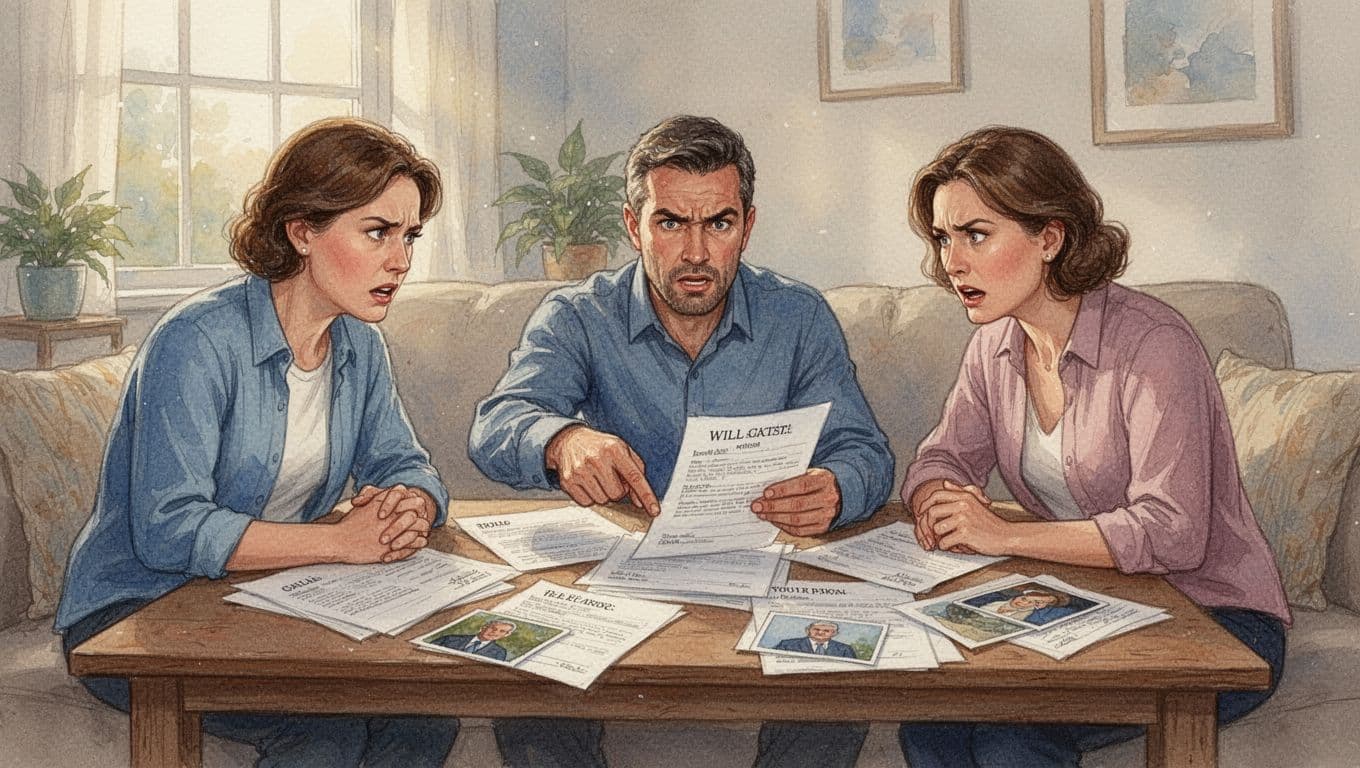
Verbal promises are love notes. Legal documents are maps. Loved ones need maps after you’re gone.
Even a well-meaning parent can’t fix unclear planning after the fact. Still, you can avoid the most painful oversight by turning promises into documents while everyone is alive and calm. Also, consider a lawyer review if your family includes stepchildren, blended finances, or major assets like a business or home. That small step can prevent years of court filings and hurt feelings.
Conclusion
The strongest takeaway is simple, common legal mistakes usually start with the same thing, skipping basics when it matters most. Miss a deadline, ignore notice rules, or sign without clear terms, and your options shrink fast. In 2026, scams keep getting sharper, so a fake “urgent” message can push you into bad choices before you pause.
Instead of trying to fix problems after they land, build small habits now. Keep records, put key dates in one calendar, confirm details in writing, and verify anything urgent through official channels. For scams, especially avoid links in messages and double-check by calling numbers you look up yourself.
If you want to reduce risk in real life, take the next step today. Share this post with someone who handles tickets, family paperwork, or contracts, then bookmark it for quick reference. When a situation feels complex, consult a lawyer early, so you don’t turn one preventable error into a bigger headache.