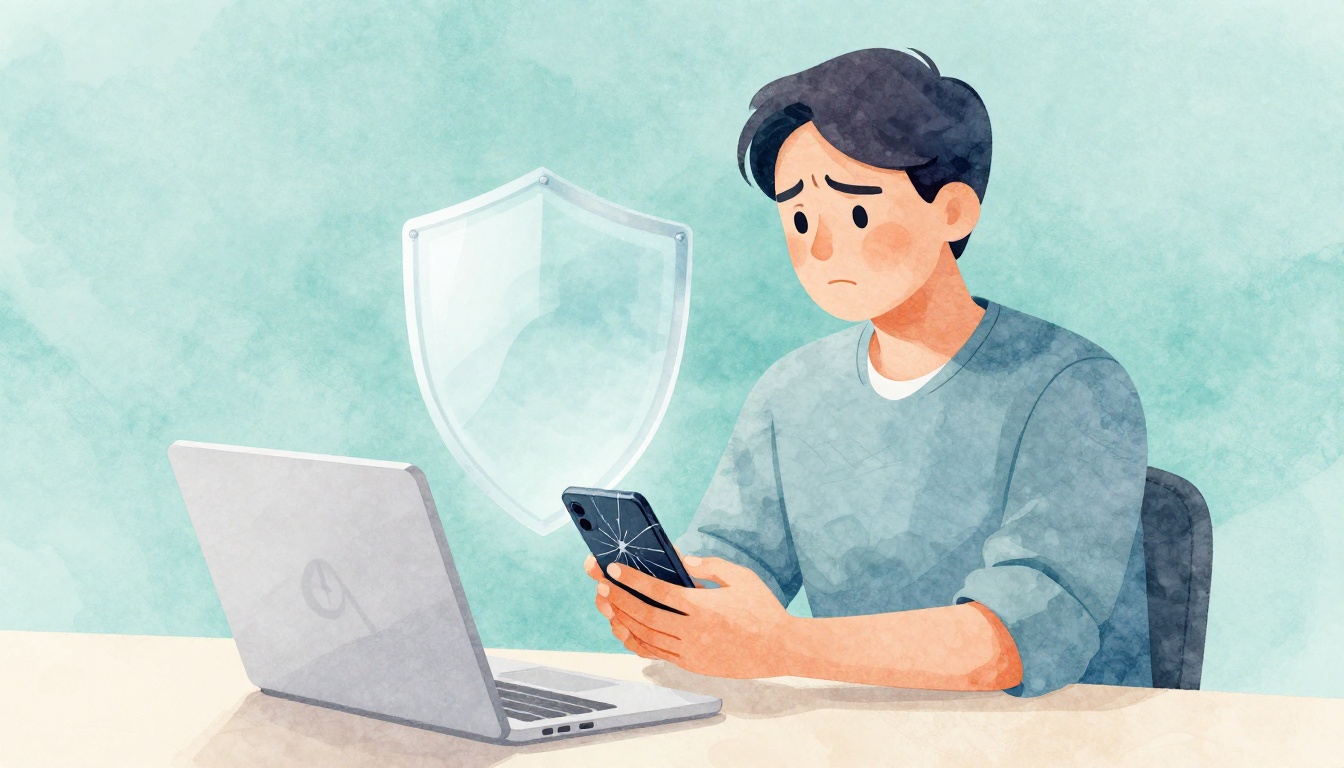
That sinking feeling hits fast when you realize your purchase was fake. Maybe you bought a phone, tickets, or a “too good to be true” listing, then the seller vanished. Scams are common online, and they keep working because people move slowly after they pay.
Here’s the good news: online scam recovery gets easier when you act right away. The fastest steps are usually about stopping more losses, saving proof, and pushing the right reports. In fact, the FTC explains what to do when you paid someone you think is a scammer, including what to do if they had access to your devices. You can start with what to do if you were scammed.
If you’re dealing with a scammed as a buyer situation, keep reading. First you’ll spot the red flags and lock down your accounts. Then you’ll gather proof, dispute the payment, and report where it counts.
Spot the Scam Signs and Secure Your Accounts Fast
When you get scammed as a buyer, don’t keep checking the same chat thread hoping for a fix. Scammers often use the pause to get more money, or they pivot to new targets once they sense panic. So start with one goal: slow down the damage.
Look for the usual patterns. Too-good prices, urgent pressure, and weird payment requests are classic. Also watch for sketchy links sent “to confirm” your order. If you clicked, assume there could be a security risk and move carefully.
Use a simple check from USA.gov to confirm what kind of purchase problem you have and where it should go. Then follow the security steps below while you decide your next report.
Common Red Flags Every Buyer Should Know
Before you spend hours arguing with a seller, ask yourself these quick questions:
- Did they rush you? “Pay in 10 minutes” is a trap.
- Did they push untraceable pay? Gift cards, crypto, and “friends and family” are big warnings.
- Did they avoid a real conversation? No video call, no clear address, no verified profile.
- Did they want access to your device? Any request for screen share to “fix” a payment is a danger sign.
- Did their story change? New excuse each time you ask for delivery details.
- Did they copy-paste replies? Same wording across multiple chats is common in scams.
- Did the listing look off? Stock photos, blurry images, or mismatched item names.
If you’re unsure, trust your gut. Scams work because victims try to “smooth things over.” In short, you’re not being difficult. You’re doing risk control.
Speed matters. Every hour you delay can make recovery harder and give scammers time to escalate.
Quick Steps to Lock Down Devices and Accounts
Now switch from “buyer mode” to security mode. Start with your devices, then your login accounts, and finally your payment methods.
Do this in order:
- Run a full scan on your devices. Use your antivirus or security app and update it first.
- Change passwords everywhere you used that account. Start with email, then marketplace accounts, then anything tied to payments.
- Turn on multi-factor authentication (MFA). Use an authenticator app when possible, not SMS if you can avoid it.
- Check recent logins and active sessions. Sign out of anything you don’t recognize.
- Enable bank and card alerts. Set alerts for every purchase attempt, even small ones.
If the scammer got remote access, or you shared your screen, contact your phone carrier or internet provider. They can help you protect SIM and account access.
Also, if you gave sensitive personal info, consider following the FTC guidance for identity theft recovery. The FTC breaks out what to do next in how to recover from identity theft.
One more rule: don’t message the scammer again right after lockdown. Gather evidence first. Then you can report and dispute with receipts.
Gather Proof and Contact the Seller or Platform First
After you secure accounts, your next job is to build a case. Scammers count on you forgetting details. Your proof does the opposite. It creates a clear timeline and helps platforms and payment providers take action.
Start by saving everything you can. Keep originals. Don’t edit screenshots if you can avoid it. Then organize by date.
Here’s what to collect:
| Evidence to Save | Where It Usually Lives | Why It Helps |
|---|---|---|
| Chat logs and messages | Marketplace inbox, email, text | Shows promises, threats, and payment demands |
| Listing page or ad URL | Order page, browser history | Proves the offer existed and the item claims |
| Screenshots of the profile | Seller profile or page snapshot | Helps identify repeat scammers |
| Payment confirmation | Bank app, card email, app receipt | Confirms amount, date, and payment reference |
| Transaction IDs and order numbers | Receipt, app transaction screen | Speeds up disputes and refunds |
| Shipping or “tracking” info | Emails and order updates | Helps show false delivery claims |
If you need a simple approach, contact the seller with one short, firm message. Still, prioritize reporting to the marketplace. Many platforms can freeze accounts or reverse messaging once you file.
You’re not asking for a favor. You’re requesting a refund with proof attached.
Build an Evidence File That Proves Your Case
Think of your evidence file like a folder for a mechanic. Without it, no one can fix the problem. With it, they can.
Include these items:
- Exact dates: when you paid and when you first noticed trouble
- Payment method: card, bank transfer, Zelle, Venmo, crypto, or gift cards
- Seller identity: username, link to their profile, any phone number
- All communications: emails, texts, and messages
- Any “verification” links: keep the URL you clicked and the date
If possible, timestamp screenshots before you save them. Also save any emails in a folder. Even one missing detail can slow down a dispute.
Message the Seller and Alert the Platform
Next, send a polite but firm message. Don’t write a novel. Keep it short and factual.
Use this template:
Message template
- “Hi [seller name]. I paid $[amount] for [item] on [date].”
- “The order has not been delivered as promised, and your account shows signs of fraud.”
- “I’m requesting a full refund by [specific date], using the original payment method.”
- “I’m attaching proof of payment and our messages.”
- “If I don’t receive a refund, I will file a dispute with my payment provider and report this to the platform.”
Then report inside the platform. Many marketplaces have a “report fraud” or “dispute purchase” flow. If you used a social platform, use their buyer protection tools too.
If the seller ignores you, don’t wait. Move fast to payment disputes. Scam recovery often depends on timing.
Dispute Payments and Report to Get Help Recovering Funds
Disputes work best when you file them quickly. For scams, “quickly” can mean hours or days, depending on your payment method and issuer rules. Also, report to keep other buyers safer. Even if full recovery is not guaranteed, reporting can stop the next victim.
Start with your payment type. Then take the best action for that channel.
Handle Disputes by How You Paid
Use the table below to guide your next moves. Your goal is to contact the right place while details are fresh.
| Payment method | What to do now | Where to start |
|---|---|---|
| Credit or debit card | Call your card issuer fast, ask about a charge dispute and fraud options | Use the phone number on your card or issuer app |
| Bank wire | Contact your bank immediately, ask if a recall or reversal is possible | Call your bank’s fraud or international transfer support |
| Zelle / Venmo | Use the in-app “report” or “resolution” path, describe it as fraud | Open the app, go to the transaction, then “report” |
| Crypto | Report the wallet activity and exchanges involved, request any available tracing tools | Contact the exchange and follow their fraud process |
| Cash mailed / money orders | Contact the service provider and file any required claims | Start with mail and payment documentation |
Keep reporting even if the scammer deleted their profile. Your transaction trail still exists. Also, if you see unauthorized charges, report them every day you notice new activity.
If you want an official place to file internet crime complaints, use IC3. For online purchase complaints, USAGov also provides guidance on where to file when seller contact does not work, including state consumer offices and the FTC at where to file an online purchase complaint.
Key Places to File Official Reports
You should report to multiple places, but in the right order. Start with the seller or platform, then move up.
Common targets include:
- The platform: report the listing, the seller, and the conversation
- Your payment provider: file disputes for the charges you didn’t authorize or that came from fraud
- Government reports: so law enforcement can spot patterns and track repeat offenders
- Your state consumer office or attorney general: especially if you bought from outside your state
For federal guidance on scams, the FBI has a list of common scams at common frauds and scams. It’s not a substitute for a dispute, but it helps you explain what happened clearly.
Also, file with the FTC when your situation matches their scam categories. The FTC has a helpful guide on how to file a complaint with the FTC. Reporting helps connect cases across victims.
If you feel overwhelmed, start with the one report that matches your payment type and keep moving from there.
Freeze Credit and Adopt Habits to Stay Safe
If the scammer only took money, you still need security. But if they got personal info, you also need credit protection. Identity theft can start with one data leak and then spiral fast.
So treat credit like a locked door. You can freeze your credit with the major credit bureaus. This makes it harder for someone to open new accounts in your name.
Then use identity theft recovery steps if your information was stolen. Even if you’re not sure yet, follow the FTC approach to act quickly and reduce harm. That way you don’t wait until new accounts show up.
Recovery odds vary. Card scams are usually easier to fight than crypto scams. That doesn’t mean you should skip anything. It just changes your expectations.
Protect Your Credit from More Harm
Here’s a practical plan if you suspect identity theft or repeated data access:
- Freeze your credit with each credit bureau. (You can unfreeze when you need credit later.)
- Review your credit reports and look for new accounts or inquiries you didn’t make.
- Set alerts so you learn about changes sooner.
- Dispute errors quickly with the bureau and the company involved.
- Use IdentityTheft.gov steps if identity theft happened. It’s designed for fast, clear actions.
Even if you don’t see fraud today, freezing can prevent new damage tomorrow. In addition, check whether the scammer asked for SSN, driver’s license images, or account passwords. Those details are risk flags.
Proven Tips to Avoid Scams Next Time
After a scam, you want rules you can follow. Here are buyer-focused habits that reduce your odds fast:
- Pay with a card or payment method with dispute options.
- Avoid gift cards and crypto for sellers you don’t know.
- Verify the seller’s history (not just reviews, but consistency and age).
- Be careful with urgent messages that try to control your timing.
- Use MFA on email first, then marketplaces.
- Don’t click “confirm order” links from messages.
- Treat “shipping too expensive” claims as a red flag.
- Check product photos and details for mismatches or reused images.
- Avoid public Wi-Fi when buying or logging into accounts.
- Trust your gut when pricing drops too far.
One last thought. If you get scammed again, you’ll move faster because you now know what to do first.
Conclusion: Act Fast, Report Smart, and Protect Yourself
The moment you realize you got scammed, your best weapon is speed with a plan. Lock accounts first, then gather proof, then dispute and report.
If you take only one idea away, make it this: don’t wait and hope. Use your timeline, payment method, and evidence to push for recovery and help stop repeat scams.
- Secure your devices and accounts (update, scan, change passwords, turn on MFA).
- Save evidence and send a short refund request to the seller.
- Dispute the payment immediately through your payment provider.
- File official reports (FTC, IC3, and platform tools).
- Freeze credit if personal info was exposed, then adopt safer buying habits.
If you’re comfortable, share what happened in the comments. Your story can help the next buyer spot the same tricks sooner.