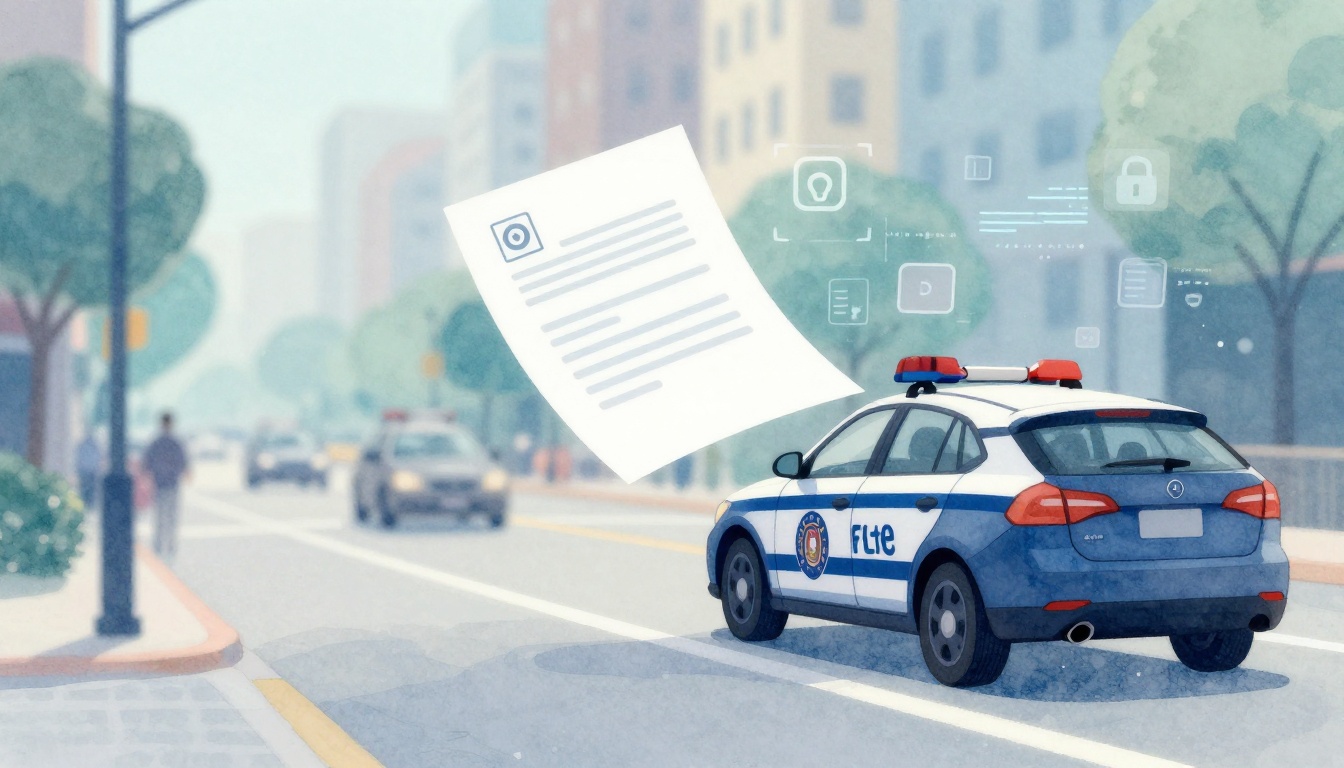
A regular traffic stop can turn into a painful money hit fast. In 2026, lots of people are getting fined for speeding or other common violations, and then watching their insurance jump. Some feel trapped too, because the ticket arrives with points, deadlines, and a “pay now” pressure.
Then there’s the other trap: hidden costs in contracts. You sign a rental, a phone plan, or a service agreement, and weeks later you discover sneaky fees you never agreed to clearly. Meanwhile, online legal risk keeps rising. Even when you think you’re “just streaming” or “just sharing,” copyright claims and data leaks can land you in the middle of a lawsuit.
Here’s what makes this urgent: these problems often start small, then grow. Traffic fines can average around $150. Speeding tickets happen in huge numbers too, with roughly 41 million speeding tickets issued each year. And drivers with a speeding ticket can face about 16% higher full-coverage insurance rates on average.
The good news? You don’t need to be a legal expert. You need a simple plan that helps you avoid the six most common legal stress points people hit in the US right now: traffic, contracts, online issues, taxes, neighbor disputes, and workplace legal trouble. You’ll get practical steps you can use immediately, with plain language and real-life examples.
Drive Smart to Dodge Traffic Tickets and Insurance Hikes
Traffic tickets are the fastest legal problem to trigger, because they stack up quickly. First you get the fine. Then points can follow. After that, your insurer learns, and rates often rise.
So how do you avoid traffic tickets without living in fear? Start with prevention, then handle a stop the right way. In many places, enforcement focuses heavily on speeding and risky driving moves. In 2026, speeding still tops the list, and it’s also linked to a large share of serious crashes.
Also keep in mind that laws and enforcement vary by state. Some stops bring extra steps, like compliance checks tied to license status, vehicle requirements, or safety rules. So the goal is simple: drive in a way that reduces the chance of a stop in the first place.

Quick wins that help immediately:
- Keep your speed steady (not just “under” the limit).
- Stay off your phone while driving.
- Keep lights, tags, and insurance up to date.
- Use navigation only if it doesn’t distract you.
The best legal move in a traffic situation is the one you make before you see the brake lights.
Use Free Apps and Habits to Spot Speed Traps Early
Speed traps feel random, but they’re often predictable. Cameras, patrol cars, and enforcement zones tend to cluster in the same areas each week.
Apps can help, but they work best as a “heads up,” not a “go faster” tool. If you use Waze (or a similar community app), use it for timing changes, slowdowns, and known hazards. For a practical walkthrough, see how to use Waze for navigation.
In everyday habits, focus on small precision:
- Check your speedometer often, especially after cruise control changes roads.
- Pay extra attention near school zones and work zones.
- Treat “almost” the speed limit as a warning, not permission.
One more thing, people mess this up with phone distractions. If your app makes you look down too often, switch to voice alerts or pull over to adjust it.
What to Do If You Get Pulled Over Without Making It Worse
Even if you feel sure you’re right, your behavior controls the outcome. Stay calm and keep the interaction short.
Here’s a simple step-by-step approach:
- Pull over safely and turn on your blinker.
- Keep your hands visible on the wheel while you wait.
- Be polite, even if you’re annoyed. Say “Yes, officer,” and “Sorry for the delay.”
- Don’t argue on the roadside. If you want to explain, do it briefly and calmly.
- Avoid admitting fault out loud. You can say, “I’d like to understand what you’re citing.”
Also, know this: you have rights about searches. You can choose not to consent to a search if asked. Laws vary, so don’t play lawyer in the moment, just stay respectful.
Read Contracts Closely to Skip Hidden Fees and Bad Deals
A lot of contract disputes don’t happen because someone is “evil.” They happen because the agreement hides the real cost.
In 2026, hidden fees remain a major complaint. California is a strong example of why. California’s “junk fee” rules started in 2024, and they required ads to show the full price upfront, including mandatory charges. That pressure has helped push other states and the federal government to take the issue more seriously.
If you want to avoid contract problems, treat every contract like a receipt. Scan it the same way you check a bill at the store. Look for what you pay no matter what.
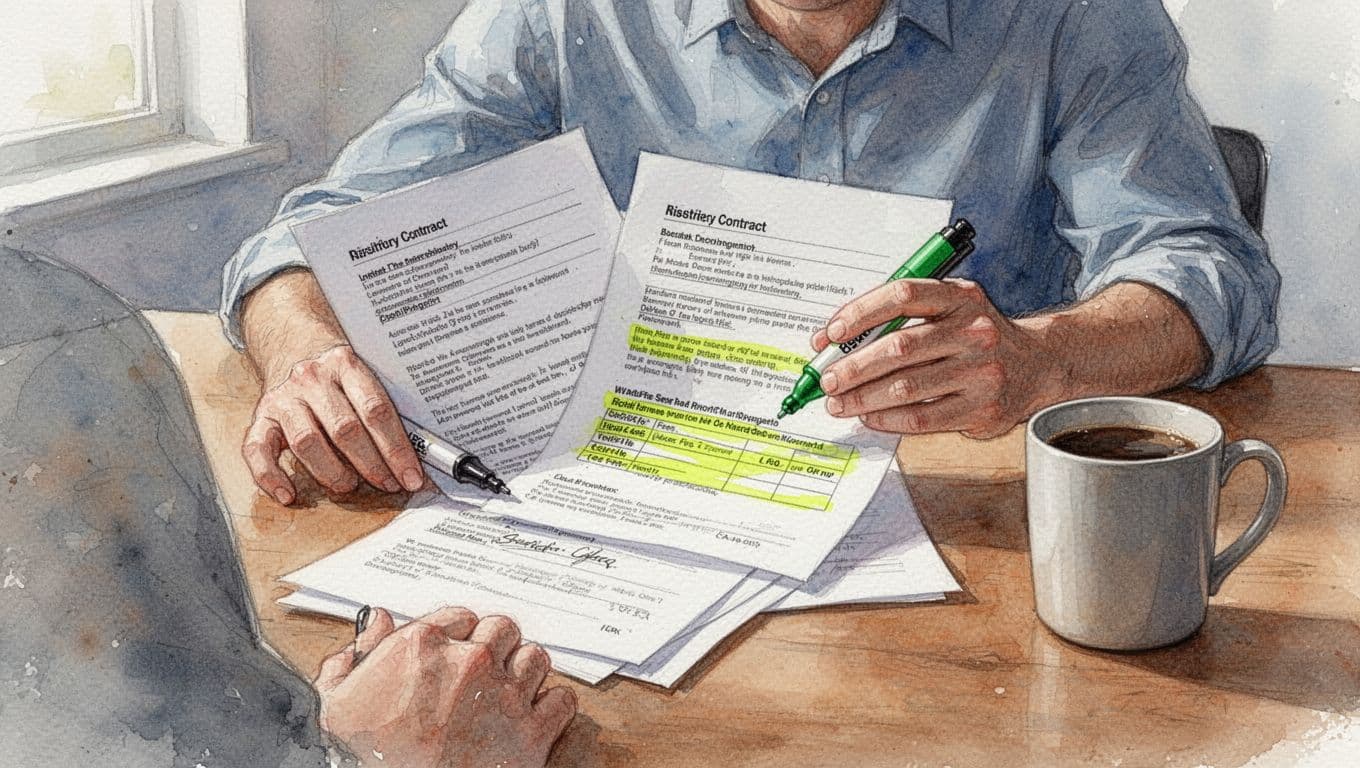
For more context on junk fee laws, see California’s junk fee efforts. It’s a good read when you want to understand why “mandatory” charges must show up clearly.
The real goal: prevent the “I didn’t see that” moment.
Spot Red Flags Before You Sign Anything
Before you sign, look for warning signs that a deal will turn into a dispute later. If you see these, pause.
Common red flags:
- Vague totals (you only see the low number, not the final cost).
- Pressure to rush (“sign now or the price changes”).
- Fine print fees that kick in after delivery or activation.
- Extra add-ons that sound optional, but are effectively required.
Ask a direct question. “What is my all-in total, including fees and taxes?” Then get it in writing.
If a contract still feels unclear, don’t “wing it.” You can walk away, or you can ask for plain-language terms. That one choice can save you months of stress.
Protect Your Online Habits from Copyright Suits and Data Leaks
Online legal issues can hit in two ways: copyright risk and privacy risk.
Copyright is still a big deal. And while the law can be complex, the plain takeaway is this: using shady sources increases risk. In March 2026, the US Supreme Court ruled unanimously that internet service providers generally aren’t automatically liable just because some users share pirated music. That doesn’t mean you’re safe if you pirate content. It means legal responsibility works differently than people assume.
Privacy risk is more personal and more common. Data leaks, phishing scams, and account takeovers can lead to financial loss and identity problems. In addition, families dealing with kids’ online activity should understand child-focused rules and platform requirements. For a parent-friendly overview of key kids online safety rules in 2026, see Children’s Online Safety Laws in 2026.

Stream and Share Content the Safe Way
When you stream, pick legitimate services. It’s not just about morals, it’s about avoiding trouble that can follow risky downloads and reposts.
Here’s an easy rule: if the site looks sketchy, it’s probably sketchy. Avoid “free” downloads that force pop-ups or ask you to install unknown apps. If you want kids’ content, use platforms built for families and adjust parental controls.
If you share content online, check the source. Reposting someone else’s work without permission can still cause legal trouble, even if you add a caption.
Lock Down Your Accounts to Prevent Privacy Disasters
You don’t need advanced tech skills. You need strong basics, done consistently.
A tight approach:
- Use a password manager (or at least unique passwords).
- Turn on two-factor authentication for email and major accounts.
- Avoid clicking links from unknown texts or suspicious emails.
- Keep your phone and browser updated.
- Review privacy settings for location and public posts.
If your account gets hacked, act fast. Report it immediately. Change passwords. Then check your payment methods and device logins.
File Taxes on Time and Claim Deductions Without IRS Trouble
Taxes create legal risk when you miss deadlines or claim things you can’t back up.
In 2026, the main deadline for most people is April 15. You can request an extension with Form 4868, but you still owe any tax by April 15 to avoid penalties.
Also watch out for proof. Mailing late is a common mistake. The USPS may not always guarantee same-day postmarks. If you mail, use a USPS post office or certified options, then keep records.
To understand common audit triggers people run into, this guide can help you spot risky patterns: IRS audit triggers to avoid in 2026.
Practical habits that reduce trouble:
- File by the deadline (or extend on time).
- Keep receipts for big purchases and deductions.
- Double-check your numbers before you submit.
- Use IRS tools when you’re stuck.
Solve Neighbor Disputes Calmly Before They Reach Court
Neighbor disputes can feel silly, until they become expensive. Noise, trash complaints, parking issues, pets, and fence conflicts often lead to formal complaints.
In 2026 data trends, noise is the top issue in neighbor complaints (about 33%). That means many legal problems start with frustration, not facts.
Your best defense is early, calm action. When you wait, things harden. When you document, you stay grounded.
Also, be mindful of local rules for quiet hours. Some areas set limits like 10 p.m., others vary. Check your city or county rules, then follow them.
Start with a Friendly Chat Instead of Anger
If you want to avoid escalation, start with the simplest step: a polite conversation. Keep it short, specific, and not personal.
If you’re in an HOA area, use the community’s process instead of venting on social media. When disputes persist, mediation can help. For a structured mediation approach, see how to mediate a neighbor dispute.
Also keep a short log:
- Date, time, and what happened
- Photos if it involves fences or damage
- Any messages you sent or received
This helps you stay factual. It also helps if you need city services or a formal complaint.
Shield Yourself at Work from Firings and Discrimination Drama
Workplace legal issues often start with paperwork. Then they grow when people stop documenting.
In 2026, discrimination charges are still a major part of US employment disputes. The EEOC reported 88,531 new discrimination charges in fiscal year 2024, and growth continued for multiple years. Retaliation claims have become a large share of filings. That means if you complain about unfair treatment, the employer’s response matters.
Also, the EEOC changed guidance. In January 2026, the EEOC voted to rescind workplace harassment guidance that had explained what counts as harassment based on protected characteristics.
For an overview of the EEOC update, see EEOC withdraws harassment guidance.
Keep a Simple Work Diary That Protects You
If you ever face a dispute about a firing, a schedule change, or unfair treatment, your notes can matter.
Keep a simple work diary. Log the basics quickly:
- Dates of meetings or incidents
- Names of people involved
- What was said (short quotes help)
- Any emails or documents you received
Store it safely. If possible, keep a backup in a personal folder.

Finally, report issues early. Don’t “wait and see” if behavior keeps happening. Get agreements in writing when you can, and keep communication professional.
Conclusion: Six Small Habits That Keep You Out of Court
That traffic stop, the contract fee, the online mistake, the tax deadline, the neighbor fight, the work conflict. Each one starts with a small choice. Then it turns into legal stress when you ignore the early signs.
Here’s the one habit to remember for each area:
- Traffic: drive in a way that prevents stops, then stay calm if one happens.
- Contracts: ask for the all-in total before you sign.
- Online: use legal sources, and lock down accounts with two-factor.
- Taxes: file on time, and keep proof.
- Neighbors: talk early, and document what happens.
- Work: keep a simple diary and report issues fast.
If you want a clean way to start today, bookmark this and share it with someone you trust. Then check LegalAid.org or call 211 when you need free local help, and use Avvo or USA.gov for legal resources. When you act early, you don’t just avoid legal problems. You protect your time, money, and peace of mind.