
You got an offer, and your phone feels heavier with every buzz. Still, jumping in too fast can leave you with low pay, the wrong team, or a contract you cannot unwind. In March 2026, that risk feels real because hiring is slower and offers move quickly. Also, more companies expect negotiation, and AI tools help them screen you fast.
So before accepting a job offer, pause and treat it like a decision, not a trophy. The goal is simple: confirm the money fits your life, the team fits your day-to-day, and the contract protects you.
Below, you’ll see how to check total compensation, spot culture problems early, and negotiate without burning bridges. You’ll also learn what warning signs mean “walk away,” even if the salary looks tempting.
Does the Money and Perks Really Add Up for Your Life?
A base salary is just one line on the offer. Total compensation is what you should care about. That includes bonuses, sign-on pay, stock (if offered), retirement match, and benefits costs. It also includes newer perks that can lower your day-to-day stress, like mental health support, extra PTO, and wellness stipends.
In the current U.S. job market, companies are more cautious. That helps explain why many offers come in with limited “wiggle room.” In February 2026, employers cut jobs and unemployment rose to 4.4%, which adds pressure on both sides. Therefore, you should do your math early.
Here’s a simple way to see whether the offer actually helps you live:

Start with a total-compensation check, not vibes
Use the numbers you have, then compare them to market ranges. For pay transparency, many people check Glassdoor, but make sure you interpret it correctly. For a quick refresher on how self-reported data works, see Glassdoor salary data and how to interpret it.
Then, run a “life math” test:
- Rent and bills: What monthly number survives after taxes?
- Commute: If you drive, include fuel, parking, and wear.
- Family needs: Childcare and healthcare costs can dwarf small salary gains.
- Time costs: Fewer office days often matters more than a tiny pay bump.
For example, if they offer $90,000 but include a $10,000 sign-on and solid benefits, your real year-one picture looks different. If they’re willing to adjust, moving to $105,000 could help you cover rising costs faster. Still, you want every dollar you can get, not just the salary headline.
Master Salary Talks Without Losing the Offer
Negotiation in 2026 does not mean you fight. It means you confirm value. Also, many hiring teams expect you to review and counter politely.
Use a calm script and aim for the full package value, not one number. Here’s a safe flow that works in most offers:
- Thank them first. Say you want the role and you’re reviewing details.
- Ask for time. Even 1-2 business days can help you think clearly.
- Request the adjustment indirectly. Do not name a number first.
- Tie your ask to market data. Example: “Based on market data for this role, can we reach X with Y bonus?”
Also, consider negotiating items you can control if base pay is locked. For example, ask for extra PTO or a clearer remote schedule if salary cannot move.
One note: rudeness is the only deal-killer. If you keep it respectful, you keep options open.
Benefits That Protect Your Health and Time
Benefits can feel like a “nice-to-have,” until you need them. Then they become the difference between stress and stability. So check more than the premium.
Look closely at these areas:
- Health insurance quality: Deductibles, copays, and out-of-pocket max.
- Dental and vision: Especially if you or a partner has routine care.
- PTO and paid holidays: Count total days, then ask about carryover.
- Parental leave: Confirm what’s paid and for how long.
- Mental health support: Ask about therapy coverage and how to access it.
If you have a specific need, ask whether it’s negotiable. Maybe you want an extra week for family, or you need a plan for a medical appointment. Companies often cannot change everything, but they can sometimes adjust start dates or PTO grants.
For retirement, compare the employer match to what you’d get elsewhere. Even a small match change can matter over time.
Remote or Office: Clarify Expectations Up Front
Hybrid rules can change after you sign. That’s why you should ask now.
Ask simple questions like:
- “How many office days each week are expected?”
- “Will travel be required?”
- “Is the hybrid policy stable, or does it change by quarter?”
Also, factor in real costs. If you commute, time and money add up fast. If you relocate, consider whether the company offers support. In 2026, hybrid work is common, but some firms still push back or shift plans due to performance reviews or leadership changes.
So confirm the rhythm. Then confirm how they handle exceptions.
Will You Fit In and Grow at This Company?
Culture is not posters on the wall. It’s how people act when deadlines hurt and plans slip. If you get the wrong culture fit, you may feel it every week.
Also, in a world where AI speeds screening and hiring, your interviews might feel smoother than the actual job. So research beyond the glossy site.
The best tactic is to combine three sources: reviews, real conversations, and your interview “gut feel.”
Uncover the True Company Culture
Start with recent employee reviews. Look for patterns, not one-off complaints. Then read between the lines on topics like:
- Turnover (especially within the same team)
- Manager style (hands-on, hands-off, or unclear)
- Team collaboration (helpful or siloed)
Also, pay attention to the people you meet. Was anyone rude, dismissive, or overly vague? Those moments matter.
If you can, ask the team questions that reveal daily life. A great prompt is, “What’s a typical week like?” You’ll learn how work really flows.
And if you want a structured way to use Glassdoor during your decision, watch this Glassdoor job offer evaluation decision guide.
Finally, check your emotional reaction. You should feel calm and interested, not trapped.
Spot Real Chances to Build Your Career
Ask about growth with specifics. “We’ll support you” is nice, but it doesn’t show your next step.
When you talk to your future boss, ask:
- “What skills will I build in the first 6-12 months?”
- “What would a strong performance look like here?”
- “Is there a promotion timeline or a path I can follow?”
- “Is there training, mentorship, or a budget for learning?”
Then listen for clarity. If the answers stay cloudy, your role may stall. If they show real examples, your path gets clearer.
A good job feels like a ladder, not a trapdoor.
Red Flags, Smart Negotiations, and Legal Locks to Watch
Even a great salary cannot fix a bad situation. So slow down when you see warning signs. Also, get every key point in writing.
In a job market with fewer hires, some companies can get pushy. That’s when scams and bad-faith offers show up more often too. Therefore, you need a quick safety scan before you sign anything.
Warning Signs That Scream No
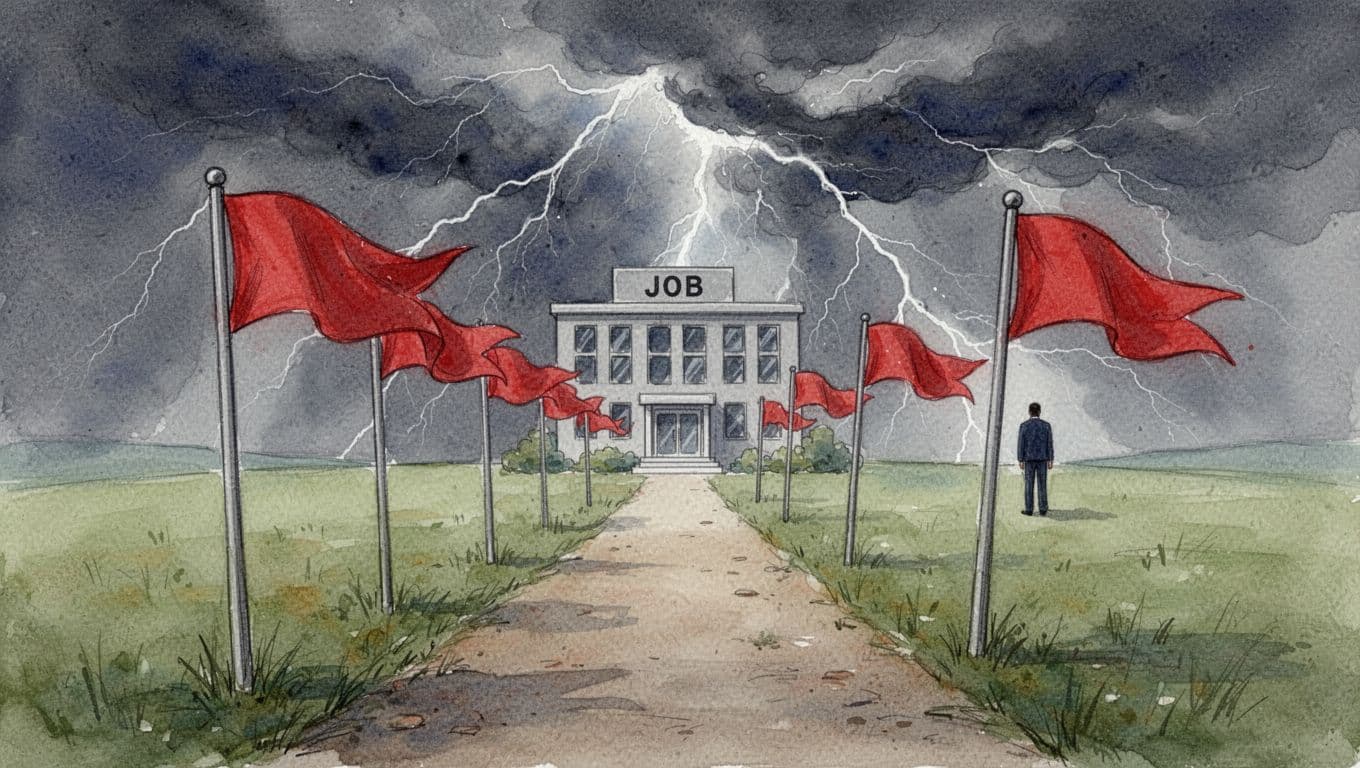
If any of these show up, treat them as red flags:
- They pressure you to sign fast with little info.
- The interview tone feels toxic, rude, or hostile.
- They ignore your questions about pay, duties, or schedule.
- Layoff chatter is everywhere, especially for your team.
- Lowball pay with no flex, but heavy workload expectations.
- Vague role details that never turn into real responsibilities.
- You spot fraud signals, like weird payment requests or “verify your account” messages.
For a broader list of modern scam patterns, see job scam red flags and warning signs.
Trust your gut. If something feels off during the hiring process, it rarely improves after you accept.
Negotiate Extras Like a Pro
If base pay feels tight, shift to other items. You might be able to improve the start date, title scope, or PTO. You can also negotiate clarity, which reduces stress.
Good frames sound win-win:
- “I can start strong if we move my start date by two weeks.”
- “An extra week of PTO helps me handle a family commitment.”
- “If the pay is fixed, can we add a signing bonus or a clear review date?”
You’re not asking for special treatment. You’re asking for terms that help you perform.
Review the Contract Before Signing
Before you sign, read the offer letter line by line. Confirm:
- Pay details (base, bonus triggers, timing)
- Your duties (avoid “any and all tasks” wording if possible)
- Non-compete limits (scope, geography, duration)
- Termination terms (what happens if they part ways)
- IP ownership (what belongs to you vs the employer)
If you feel uncertain, use a lawyer for contract review. Even a short consult can prevent a long headache. If the deadline is soon, request an extension. A week of review is normal, and a good company will understand.
The safest move is to confirm details in writing, not in emails that later get ignored.
Conclusion
Before accepting a job offer, check the whole picture. That means total compensation, clear expectations, real growth opportunities, and a culture that fits how you like to work.
Then negotiate calmly. Ask smart questions, counter politely, and get key terms in writing. Most importantly, trust the process. If the red flags show up early, they usually stay.
What’s the one part of the offer you’d want to renegotiate first, pay, schedule, or contract terms?