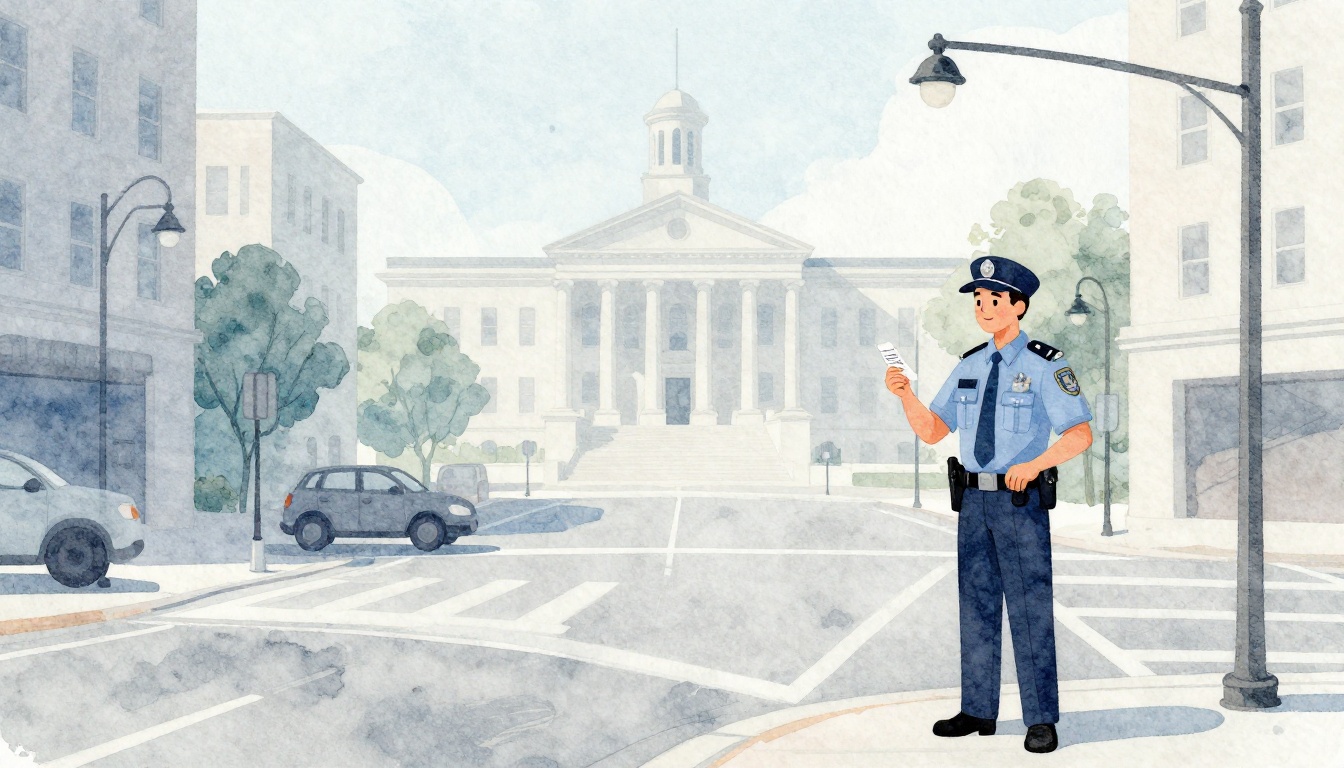
Getting a ticket or a court notice can feel like the ground disappears. One day you’re living your normal life, the next you’re wondering what happens next and whether this will follow you forever.
Most minor legal issues in the US involve things like traffic violations, low-level misdemeanors, or small theft charges. They’re common, and the process usually follows a pattern. Still, it’s scary when you’re dealing with it for the first time.
The good news is you don’t need to guess. This guide walks through the minor legal issue process, what typical steps look like in 2026, and how to reduce the damage to your money, license, and future plans.
Common Minor Legal Issues That Pop Up in Everyday Life
A “minor” legal issue usually means it’s handled in local or state court with lighter stakes than felonies. In many places, that also means shorter jail exposure and more chances to resolve the case through payment, diversion, or a quick hearing.
That said, “minor” does not mean “no consequences.” A small case can still lead to fines, license problems, probation, or a record you’ll have to deal with later. Also, state laws differ, even for similar charges.
Here are some everyday examples that often land people in court:
| Issue type | Common examples (real life) | Why it’s often “minor” |
|---|---|---|
| Traffic violation | Speeding, running a red light, first-offense DUI | Usually handled by traffic court, with fines and points |
| Misdemeanor | Disorderly conduct, public intoxication, simple assault | Misdemeanors generally carry less risk than felonies |
| Petty theft | Shoplifting under your state’s threshold | Often charged below felony levels for lower values |
A quick note: ignoring a ticket rarely makes it disappear. Courts and motor vehicle agencies often escalate the problem, especially when they have systems for non-payment or missed dates. For a deeper look at what can happen, see ignoring a traffic ticket in 2026.
Traffic Violations You Might Get Pulled Over For
Traffic stops happen fast. One minute you’re driving, and the next you’re answering questions and showing your license. Common reasons include going too fast, failing to stop at a red light, or driving while under the influence.
Speeding tickets can hit your wallet quickly. Based on recent reporting, a ticket for about 10 mph over often costs around $150–$250, while 15 mph over can land closer to $200–$300. For larger jumps, like 40 mph over, fines can be around $360 (and court costs and insurance effects can add more).
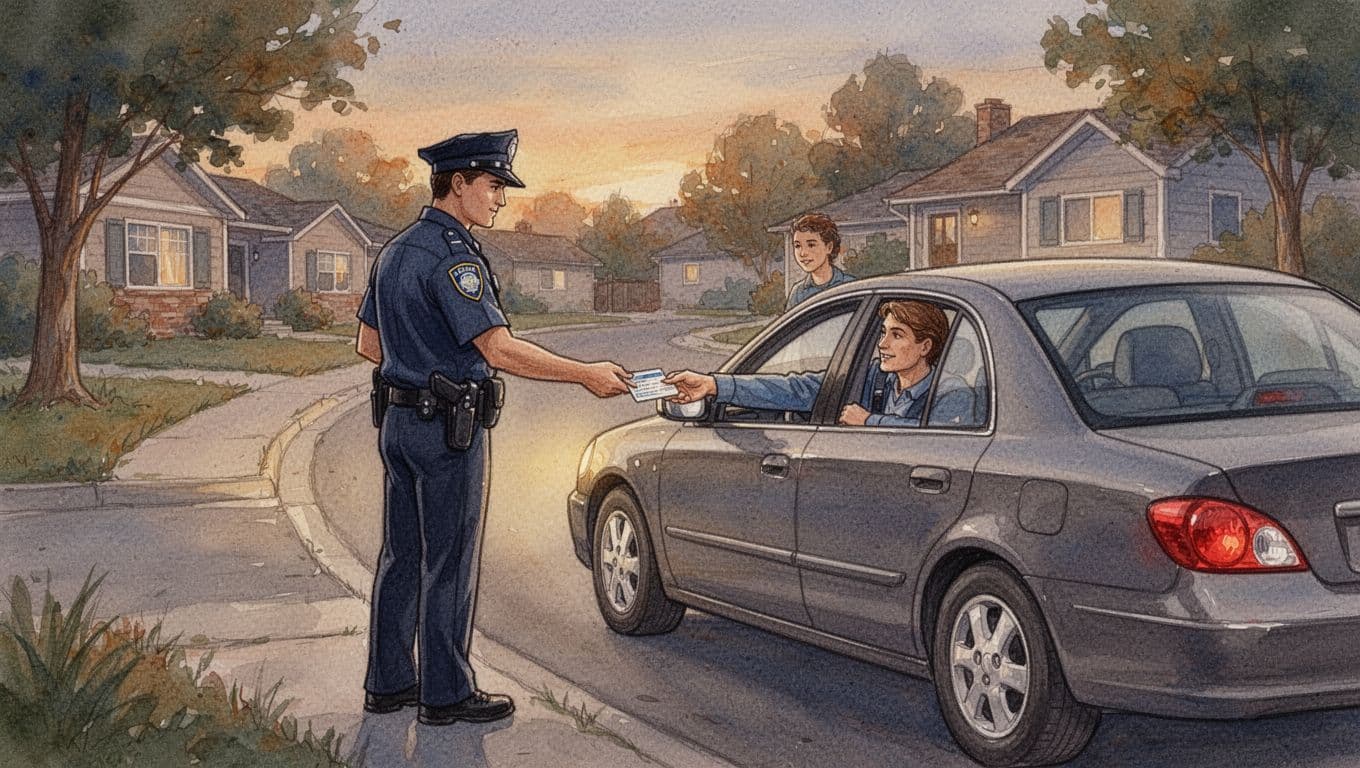
Beyond fines, some tickets add points or can lead to short license suspension, depending on your state and your driving history. Meanwhile, insurance can rise for years if your record shows certain violations.
People sometimes think, “It’s just a ticket.” But points and insurance are how small issues grow into bigger bills.
Misdemeanors from Rowdy Nights or Arguments
Misdemeanors are criminal charges that usually sit between traffic infractions and felonies. They often come from moments people regret right after they happen.
Common examples include:
- Disorderly conduct (like yelling, refusing to leave, or causing a disturbance)
- Public intoxication (being too impaired in public)
- Simple assault (often a physical altercation without severe injury)
Penalties vary by state, but misdemeanors can include fines and up to one year in jail in many systems. So even when you hear “it’s minor,” you should still take it seriously.
If you want a straightforward breakdown of how misdemeanors are treated compared to more serious crimes, see common misdemeanors explained.
Petty Theft: Small Steals with Big Hassles
Petty theft is one of those topics people underestimate. It often starts with something small, like shoplifting a candy bar or grabbing an item “just this once.” The problem is the charge depends on state value limits and facts in the incident.
A common pattern is that petty theft stays misdemeanor-level when the value is below your state’s threshold, which is often under $500 to $1,000 (the exact number depends on where you live). If the value is higher, the same action can become a felony.
Also, repeated behavior can lead to harsher outcomes. A first offense might get diversion, but a second offense can look very different to a prosecutor.
Step by Step: Walking Through the Legal Process After It Happens
When you’ve never been through court, it helps to know the usual flow. Most cases follow similar steps, even though your state will tweak details.
Also, your speed matters. The earlier you respond correctly, the more options you usually get.
From Pull-Over to Citation or Quick Arrest
Your case starts with the incident. For traffic offenses, police often issue a citation. You get a court date and a list of what you must do.
For some other minor offenses, police may make an arrest. That can include booking steps like fingerprints, then release on promise to appear or bail.
The key idea is simple: your next move depends on whether you got a ticket or went through booking.
Here’s the rough difference:
- Citation (ticket): usually no jail that day, but the case still moves forward.
- Arrest/booking: the case can move quickly, and you may need to address bail or release conditions.
Your First Court Stop: The Arraignment Explained
Next comes the first serious court appearance, often called arraignment. This is when the judge hears the charges and you enter a plea or respond to the allegations.
If you’re in custody, you may go soon after arrest. If you’re out on a citation, it still happens fast, often within days.
A helpful state-focused walkthrough is Montana’s step-by-step court process. Even if you don’t live in Montana, the basic stages match what many people see across the US.
In many places, you can expect:
- the judge reading the charges
- you entering a plea (guilty, not guilty, or no contest)
- discussion of bail or release terms
- if you qualify, request for a public defender
Stay calm here. It’s tempting to explain everything. However, judges want the facts handled through the case process, not a rushed speech.
Gotcha: Saying too much to police or in court can create confusion that hurts your defense. Keep it simple and let your lawyer guide you.
Plea Deals, Trials, and Getting to Sentencing
Most minor cases end through negotiation. You’ll hear about this as plea bargaining.
In many misdemeanor cases, prosecutors and defense talk after they exchange basic evidence. That stage is often called discovery. Then the plea offer shows up, usually with possible reductions for cooperation or for meeting certain conditions.
A trial is less common in minor cases, especially when evidence is clear and you’re a first-time offender. Still, it’s available if you believe the facts are wrong or the evidence doesn’t support the charge.
Then comes sentencing. That can mean:
- paying a fine
- getting probation (with rules)
- completing classes or community service
- sometimes, serving a short jail term
Possible Outcomes and What They Look Like in Real Life
People worry about worst-case scenarios. But real life often looks more manageable.
Many minor cases end with outcomes like dismissal, diversion, or a guilty plea with penalties tied to supervision terms. If you’re worried your case will automatically become a long-term problem, that’s usually not how it plays out.
Here’s a realistic picture: plea resolutions are common. Many courts handle most misdemeanors through guilty pleas rather than full trials, especially for first-timers.
The Wins: Dismissals and Diversion Programs
A diversion program is often the best possible result. Instead of finishing with a conviction, you complete requirements. If you meet them, the case may end without a conviction.
Diversion can include classes, community service, treatment, or proof you’re staying out of trouble.
Availability depends on your state and your case facts. Some programs focus on first-time offenders, low-level offenses, and people who show they’re willing to make changes.
For an example of how a local diversion program works, see Mesa County’s pre-charge adult diversion program. The details will differ across counties, but the goal is similar: resolve the case without leaving a permanent record when eligible.
Good to know: Diversion isn’t automatic. You still have to qualify and follow every requirement exactly.
If Guilty: Fines, Probation, or a Short Stay in Jail
If you plead guilty or are found guilty, the judge chooses a sentence based on the charge and your history.
For traffic violations, you might face:
- a fine
- probation-like conditions (in some places)
- points and possible license suspension
For misdemeanors, outcomes often include fines and probation. Some cases include jail time, but often the term is short, especially for first offenses without serious harm.
For petty theft, the judge may order restitution (paying back the store) and additional conditions like community service or education.
The main takeaway is this: even a guilty outcome often has structure. Once you know the rules, you can plan for them.
Real Consequences and Ways to Minimize the Damage
Even minor cases can affect your life in three ways: money, freedom, and future access. You don’t always see all three right away.
That’s why it helps to think in short timelines and long timelines.
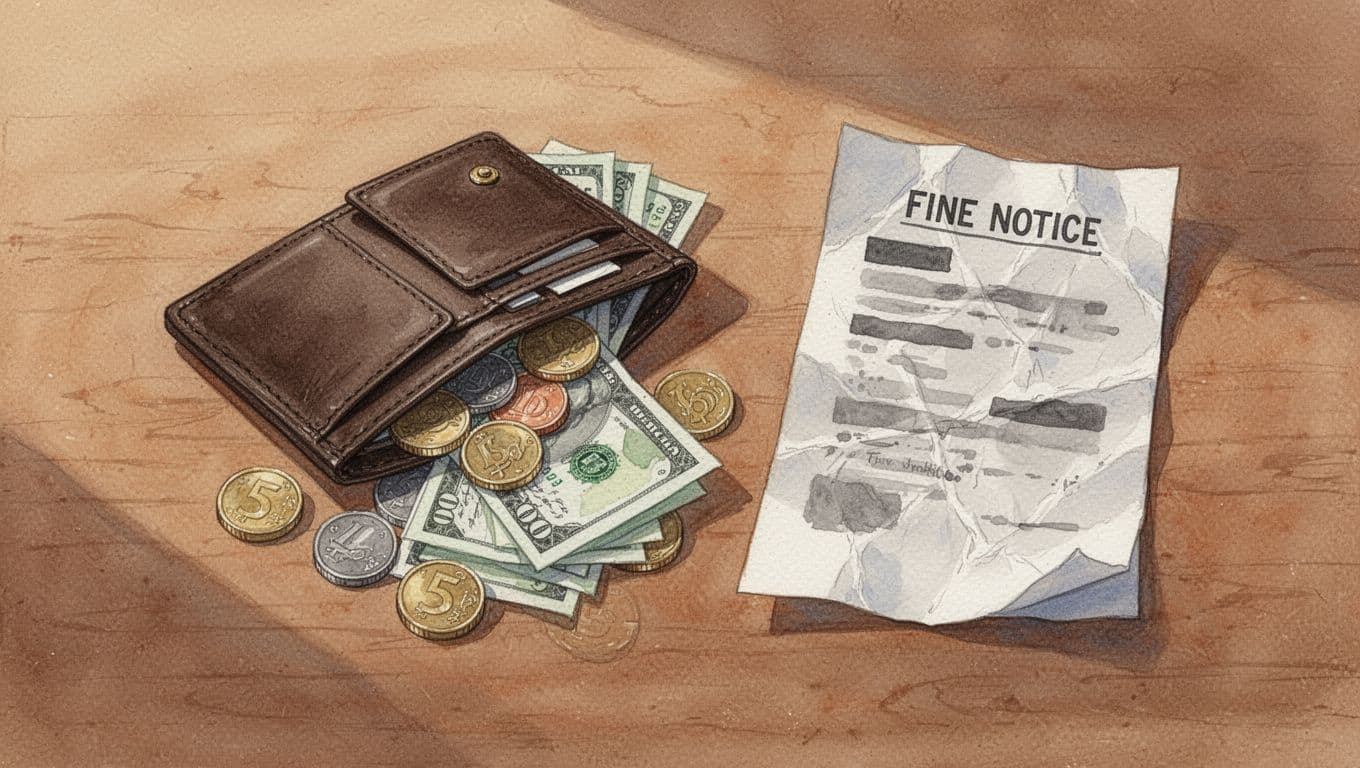
Immediate Costs and Everyday Disruptions
Right after a minor legal issue, the most common impacts show up as:
- fines and court costs
- fees tied to probation
- time off work for court dates or classes
- license-related problems (in some cases)
Speeding tickets can be especially costly because insurance may rise. Also, failing to meet deadlines can trigger penalties beyond the original fine.
Here’s how penalties often break down by issue type, using recent public ranges:
| Issue type | Example outcomes you may see | Common cost range (varies by state) |
|---|---|---|
| Speeding | Base fine, court costs, possible points | 10 mph over: $150–$250 (often plus costs) |
| First DUI | Fine, license suspension, classes, possible interlock | Often $250–$2,000 fine range (varies) |
| Misdemeanor | Fine, probation, possible short jail | Misdemeanors can involve jail up to one year (state rules vary) |
| Petty theft | Restitution, conditions, possible jail | Value threshold often below $500–$1,000 (varies by state) |
The table tells you what to expect in general, but your local court can shift the exact amount. Always check your charge and court order.
Longer-Term Effects on Your Life and Record
The longer-term concern is your record and whether employers or landlords will see it during checks.
Many people apply for jobs, housing, or volunteer roles where background checks happen. A conviction can show up, even if the case felt small.
The good news is that many states offer a path to clear older cases through expungement or record sealing, sometimes after probation ends and you stay out of trouble.
Because rules differ by state, you should look up your exact eligibility. If your state has “clean slate” laws, the impact can be bigger than people expect. For a recent overview of clean slate basics and how employers think about them, see clean slate laws for employers in 2026.
In plain terms: some records can stop showing for eligible people, but you have to act right and meet requirements.
Proven Advice to Handle It Smoothly and Move On
You can’t control what happened. You can control what you do next.
Think of the legal process like a weather front. You can’t stop it, but you can get ready with the right gear. Your “gear” is calm communication, correct paperwork, and follow-through.
What to do right away
Start with these practical moves:
- Stay calm during police contact. You can share your name and address, then stop talking.
- Get help fast. If you qualify, a public defender can explain your options.
- Pay or respond by the deadline. Missing court dates can turn a minor issue into a bigger one.
- Ask about diversion if you’re a first-time offender and the facts fit.
- Complete everything if you get probation or program requirements.
If you’re unsure whether you should contest a charge or accept a deal, do not guess. A short consult with a lawyer can save months of stress.
Prevention: how to keep minor issues from repeating
Prevention sounds boring until you realize it’s cheaper than court. If you’ve had a traffic scare, plan for it next time:
- leave extra time
- drive at a safe, steady pace
- use rideshares when you’ve had drinks
For petty theft situations, the best plan is also boring: avoid taking risks when you’re tired, stressed, or rushed. Small impulsive choices can spiral quickly.
Hopeful reality: Most people who handle these steps correctly move on without major drama.
Conclusion
If you’re dealing with a minor legal issue, here’s the reassuring truth from the start: these cases usually follow a clear path, and you have options. Whether it’s a traffic ticket, a misdemeanor, or petty theft, the best results often come from responding quickly and following through carefully.
Also, the worst part is often the waiting. Once you understand the process, your fear gets smaller and your decisions get easier.
Talk to a qualified lawyer as soon as you can, and take control of the next step. What’s one detail you can fix today so this doesn’t hang over your life next month?