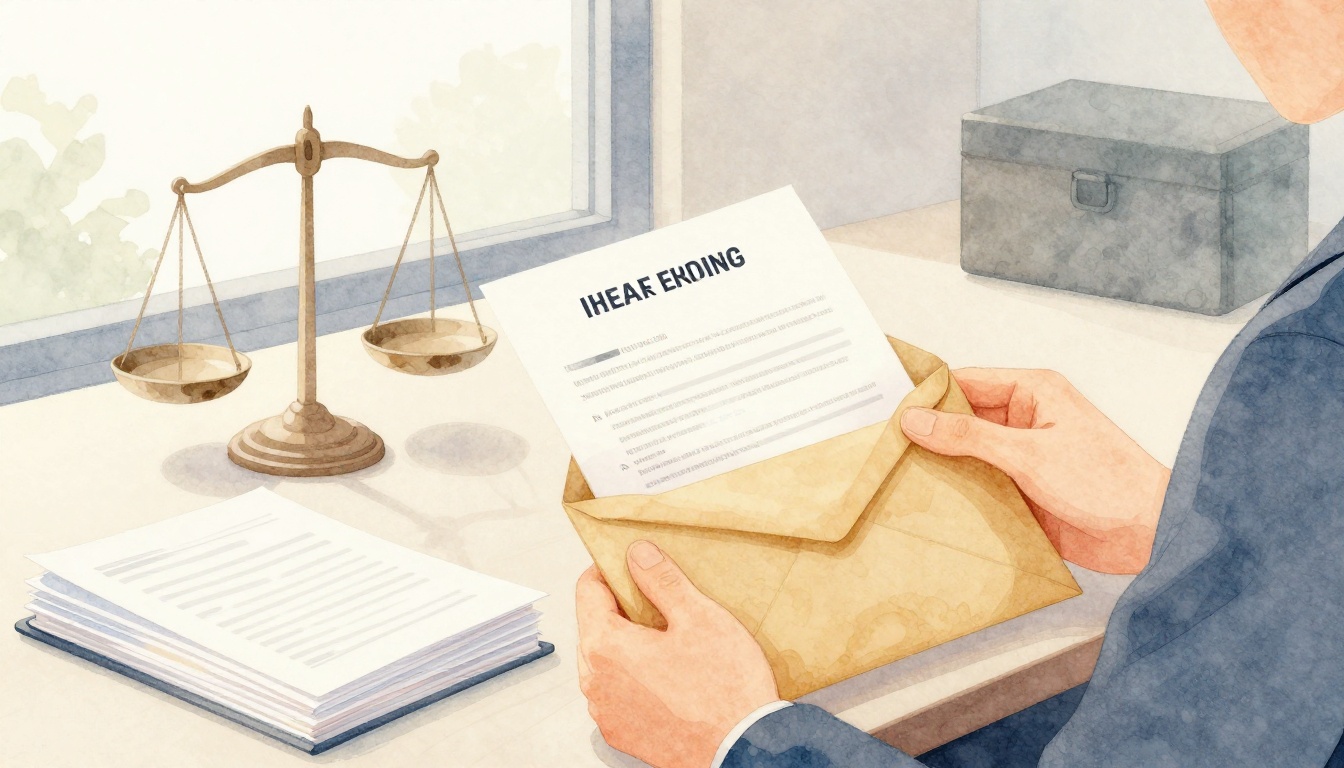
A legal notice can land like a brick. You open the envelope, and suddenly your name feels attached to someone else’s problem.
Most people don’t ignore notices because they’re careless. They ignore them because they’re scared. But the smart move is to respond to legal notices in a calm, organized way. That protects your rights, your money, and your options.
In this guide, you’ll learn how to spot the type of notice you got, how to reply step by step, and what mistakes to avoid. You’ll also see quick 2026 trends, like more online postings and workplace privacy notice updates that can change what you receive and when.
Spot the Type of Notice You Received to Respond Right
Before you write a single sentence, pause and identify what kind of notice this is. The label matters because the response path changes based on the sender’s goal and the deadline.
Here’s a quick way to sort the most common types.
| Notice type | What it usually asks for | Typical stakes |
|---|---|---|
| Cease and desist | Stop a claimed act (like trademark use or harassment) | Legal threat, brand risk, sometimes a lawsuit |
| Demand letter | Pay money or fix a contract/breach issue | Debt, damages, court follow-up |
| Eviction notice | Leave, pay, or fix a lease issue | Housing risk, strict state timelines |
One more thing: in 2026, many states are increasing digital notice use (for postings and public compliance). Louisiana has continued moving toward more online public posting methods, and agencies have signaled continued digital expansion in the coming years. So even if you get an email or online posting, treat it like a real legal deadline until proven otherwise.
Also, if you ever work in healthcare or serve patients, privacy notice rules matter too. HIPAA covered entities and business associates have been updating their Notices of Privacy Practices guidance, and model notice updates were released to support rollout in 2026. If your notice is late or wrong in that setting, you may receive compliance warnings or demands.
Now, let’s break down the notices that show up most often.
Cease and Desist Letters Explained
A cease and desist letter tells you to stop a specific behavior. Usually, it’s tied to a claim like trademark infringement, copyright misuse, defamation, or harassment.
Most letters come from a lawyer, often for a business with a brand at stake. Sometimes the sender claims they can go to court right away. Other times, they’re testing whether you’ll comply without litigation.
The timeline matters. Many cease and desist letters give a deadline like 7 to 30 days. Don’t treat it like a suggestion. Deadlines show up again later, including if the other side files suit.
A simple example: you run a small online shop, and a company says your product name is too close to their trademark. The letter might demand you stop using the name, remove listings, and confirm removal in writing.
To respond smartly, read the full letter, not just the first threat paragraph. Then identify the exact claim. If the letter says your use is infringing, gather proof of your original work, dates, and how you used the mark.
If you want a focused guide for trademark-specific replies, see how to respond to a trademark cease and desist letter from Cohen IP.
Demand Letters and What They Really Want
A demand letter usually asks for money or action. It might accuse you of unpaid debt, a contract breach, property damage, or unpaid fees.
These letters can feel like they’re “official court papers,” but they’re often not. Still, they can be the last warning before a lawsuit. That means you should respond to demand letters like a real issue, not like junk mail.
Before you pay, collect your side. Look for invoices, contracts, emails, payment receipts, and any written promises. If you don’t have proof, request it from the sender. If the demand is wrong, say so with facts.
Also, keep an eye on the power imbalance. A big company can send a firm tone to an individual because it has lawyers and time. That doesn’t mean the claim is valid. It just means you should respond clearly and avoid panic.
When you’re dealing with a demand letter, Nolo’s plain-language guidance helps you understand what to do next. Start with what to do when you receive a demand letter.
Eviction Notices: Tenant Rights Basics
If you rent, an eviction notice is one of the highest-stakes notices you can receive. The good news is that many eviction cases turn on process. The bad news is you usually have little time to act.
Eviction notices often fall into categories like:
- Unpaid rent (pay or move)
- Lease violations (fix or leave)
- Serious reasons (sometimes an unconditional move-out demand)
State law sets the timeline. Some notices can require action in a matter of days, while others give longer windows. Also, landlords must use correct delivery and correct forms. If they don’t, the case can get delayed or dismissed.
That’s why it’s so important to identify the notice type and deadline. If you’re in a hurry, you might miss a procedural error. But those errors are often where your leverage comes from, even if the underlying dispute is uncomfortable.
If you’re trying to understand common notice categories, you can use types of eviction notices required under U.S. law as a starting point for how the notice framework works.
Your Simple Step-by-Step Plan to Reply Without Panic
Here’s the goal: you’re not trying to win a debate in one letter. You’re trying to respond to the notice correctly, preserve your rights, and build a clean record.
When you treat a legal notice like a “paper trail,” you stay in control. You also reduce the chance of admissions you’ll regret later.
Your best protection is a calm reply that matches the facts and meets the deadline.
Craft a Smart, Professional Reply Letter
Use this structure. It works for cease and desist letters, demand letters, and many warning notices.
- Open politely and identify the notice you received (date and sender name).
- State what you understand the claim to be (in your own words).
- Respond to each key request (stop using X, pay Y, cure Z).
- Confirm what you will or won’t do, without admitting fault.
- List evidence you already have, and ask for specific documents you lack.
- Close with next steps (a request for a call, a deadline to respond, or where to send proof).
Keep your tone steady. Avoid insults, threats, and long emotional paragraphs. If you want to dispute something, do it with facts.
Also, don’t post about it publicly. Posts can get screenshotted. Then they show up later in court records.
If the notice involves IP, your evidence might include timestamps, drafts, source files, and brand usage history. If it involves money, your evidence might include receipts and payment logs. If it involves housing, your evidence might include rent records, written notices, and photos.
Proof of Delivery and Next Moves
A reply only helps if you can prove you sent it. That means using a reliable delivery method.
For paper mail, consider certified mail with return receipt. It gives you proof of mailing and proof the other side received it. For email, keep it professional and save the sent message. Still, email alone might not count as proper service in eviction or court-adjacent settings.
Then, track your timeline. Put the deadline on your calendar immediately. Also note your next follow-up date. A response you send and forget can still hurt you if the other side assumes you ignored the notice.
If they don’t respond, watch what happens next. They may file a lawsuit, seek a default, or send a stronger follow-up letter. If that happens, don’t improvise. Re-check the notice and deadlines again.
For a quick example, suppose you got an eviction notice and you believe the rent amount is wrong. You’d respond with proof of payment and ask for an itemized ledger. Then you’d follow the notice’s cure instructions by the deadline.
Dangerous Mistakes That Turn Notices into Nightmares
Ever ghosted a letter and hoped it would go away? That’s how people end up in worst-case outcomes.
Ignoring legal notices can lead to court action, default judgments, or worse settlement terms. Rude replies can make a dispute personal. Paying without verifying can look like an admission. And venting online can create evidence you didn’t mean to share.
Also, “DIY” gets risky fast. A form reply might be fine for simple situations, but complex cases often need tailored language. One wrong sentence can weaken your position later.
Here are common mistakes, and how to fix them fast:
- Ignoring the deadline: Even if you plan to dispute, set a calendar reminder and respond on time.
- Admitting fault in your first reply: Use facts, not blame. You can dispute while staying calm.
- Paying too quickly: Ask for itemized claims and verify amounts first, especially for demand letters.
- Responding emotionally: Write, then wait. Read it again before sending.
- Posting about it publicly: Keep it private and professional to avoid screenshots and escalation.
If you want a list-style reminder of pitfalls businesses face after demand letters, see top mistakes businesses make after receiving a demand letter.
Finally, watch for 2026-specific compliance notice patterns too. The FTC has been cracking down on hidden fees, auto-renewals, and negative option billing. If you receive a “notice” tied to fees or subscriptions, treat it like a claims dispute. Keep records of what you agreed to, and how the charge appeared.
Signs It’s Time to Hire a Lawyer for Backup
Sometimes, the best move is simple: get a legal opinion early. That can prevent one costly misstep.
Consider hiring a lawyer if:
- The claim involves more than $5,000
- Your home or business is at stake
- The notice mentions intellectual property or repeated alleged violations
- You have a tight deadline and you can’t find clear evidence
- The sender is a law firm or big organization and wants a fast response
Cost varies widely. Many areas offer consultations ranging from low-cost flat fees to hourly rates. If you’re worried about cost, look for legal aid, bar association clinics, or limited-scope help where a lawyer reviews your draft and evidence.
Also, 2026 has brought new workplace compliance notice patterns in some states. For example, California has tightened rules affecting how certain notices and compliance messages get handled for platform users and age verification in some situations. If your employer sends you a notice tied to compliance, don’t ignore it just because it sounds administrative. Ask HR for context and confirm what you need to do.
If you want a mainstream starting point for knowing when legal help is smart, Nolo’s guidance can help. See when a landlord should hire a lawyer.
Conclusion
That scary envelope turns less scary when you treat it like a process, not a threat. First, identify the notice type, then read it fully and track the deadlines. Next, send a calm reply with evidence, not emotion.
Most disputes never need a courtroom fight. They just need a correct response, a clean record, and the patience to follow the next step.
If you take one action today, make it this: respond to legal notices on time and keep proof of delivery. Then ask a professional for help when the stakes are high or the claims feel unclear.